

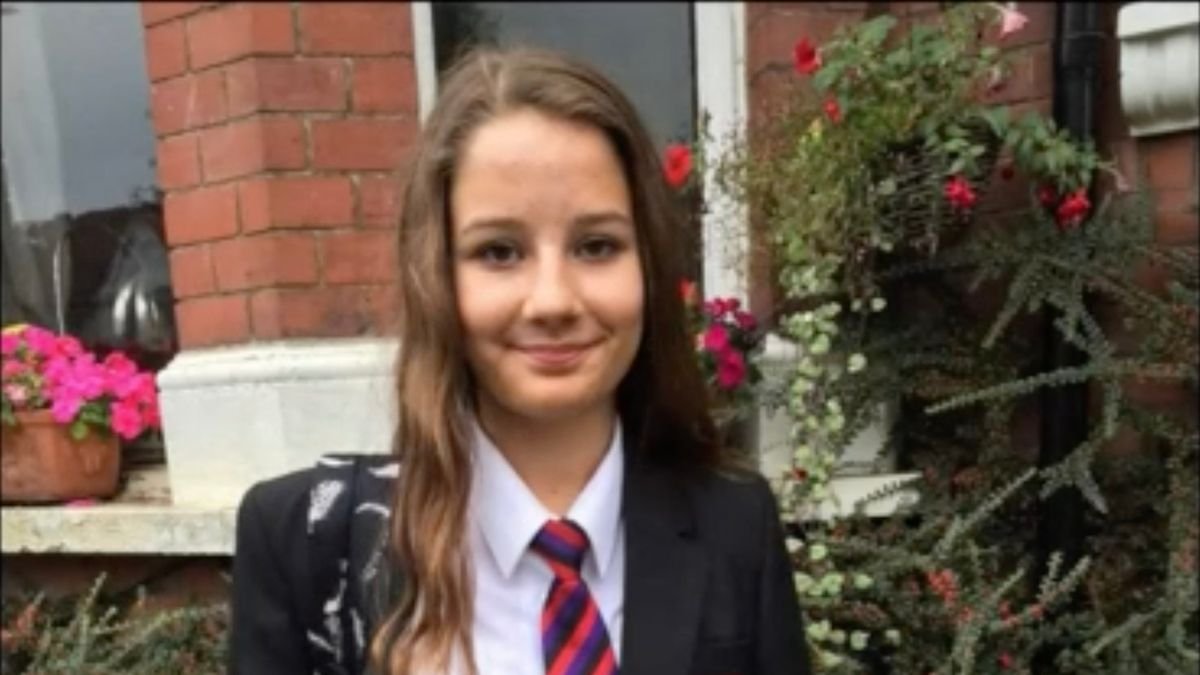

A father, whose 14-year-old daughter tragically took her own life due to online dangers, has criticized the UK for overreacting amid increasing calls for a ban on social media for individuals under 16.
Ian Russell, father of Molly who passed away in 2017 after exposure to harmful online content, has joined forces with over 40 organizations, experts, and grieving parents to oppose what he considers to be an oversimplified solution to the internet crisis.
Russell cautioned against the calls for a ban, labeling them as politically driven rather than rooted in evidence, and arguing that they do not compel tech giants to genuinely enhance the safety of their platforms.
As a fervent advocate for online safety and suicide prevention, Russell drew attention to the heartbreaking notes left behind by his daughter, urging policymakers not to further isolate struggling adolescents.
The debate surrounding a social media ban for under 16s intensified recently after the Conservative Party pledged to implement one, following Australia’s similar move last month. Opposition leader Keir Starmer, whose stance has softened, expressed openness to considering a ban in the UK.
In an interview with The Mirror, Russell expressed concerns that a ban could push vulnerable youngsters towards unregulated and darker corners of the internet, such as gaming platforms or suicide-related forums, exacerbating their isolation.
Russell, who chairs the Molly Rose Foundation dedicated to suicide prevention, emphasized the need for a rational discourse rather than hasty, unsubstantiated decisions. He highlighted the importance of addressing the root causes of online harms rather than just the symptoms.
Furthermore, Russell criticized the sudden push for a ban as politically motivated. He singled out Tory leader Kemi Badenoch for her change in stance and accused Greater Manchester Mayor Andy Burnham and Health Secretary Wes Streeting of jumping on an unfounded bandwagon due to their political ambitions.
Russell also pointed out that the advantages of social media are often overlooked in these discussions, such as opportunities for learning and personal growth. He stressed the need for a comprehensive approach to online safety that incentivizes platforms to prioritize user well-being.
In a joint statement endorsed by numerous stakeholders, concerns were raised about the potential unintended consequences of banning children from social media. The statement warned of risks including a false sense of security, migration to other online spaces, and heightened dangers for adolescents, particularly girls.
The message conveyed by Russell and the coalition is clear: a blanket ban on social media for minors may not be the most effective solution and could lead to unforeseen negative outcomes, urging a more nuanced and proactive approach to safeguarding children online.