


The latest tariffs from the Trump administration targeting Canadian goods worth billions came into effect just after midnight on Saturday, following the failure of both nations to reach a last-minute trade agreement that satisfied them both.
Prime Minister Mark Carney announced that Canada would respond “dollar for dollar” after the White House carried out its threat to implement steep tariffs of 50 percent on a variety of products. Trade representatives from both countries indicated they had nearly finalized an agreement in recent days, but Carney stated that Ottawa ultimately could not accept the conditions proposed.
In a statement, the prime minister mentioned, “I have decided to halt trade negotiations with the U.S. and instructed Canada’s negotiators to return to Ottawa.”
“They have diligently worked in good faith to protect the interests of Canadians throughout these negotiations right up to the last moment. However, last-minute modifications to the U.S. proposed terms were unjust, uneconomical, and raised doubts about the reliability of any agreement,” Carney added.
U.S. President Donald Trump had yet to make a public statement on the matter.

Prime Minister Mark Carney stated Canada aims to match U.S. tariffs ‘dollar for dollar,’ following the implementation of the 50 percent tariffs on August 21 at 12:01 ET. The two nations intensified trade discussions over the past three days after Trump extended the tariff deadline earlier that week.
In a statement of his own, U.S. Trade Representative Jamieson Greer indicated that the negotiations fell apart because Canada did not agree to the terms offered by the administration.
“Tonight, Canada opted not to finalize the trade agreement based on the terms that were discussed earlier this week. Despite the U.S. offering Canada the best treatment of any major exporter to our market, new demands and retractions of previous commitments by Canada have disrupted the careful equilibrium achieved in recent days,” Greer stated.
“Furthermore, Canada continues to uphold its prolonged retaliation against the United States, which includes outright bans on certain American goods and services.”
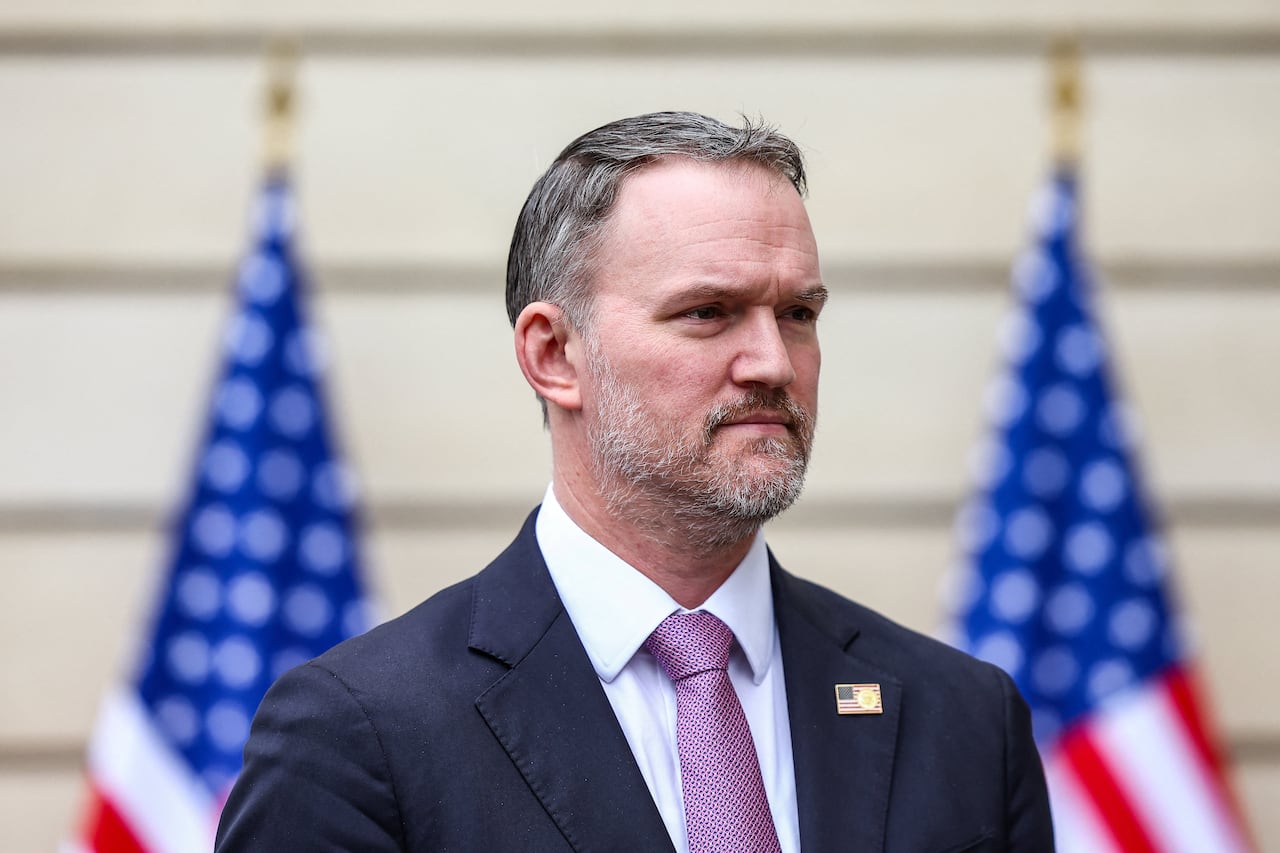
U.S. Trade Representative Jamieson Greer in March. (Abdul Saboor/Reuters)
The new American tariffs and the promise of Canadian countermeasures mark a significant escalation in the ongoing dispute between Canada and the U.S., two nations previously regarded as close trading partners.
Throughout the week, Canadian Trade Minister Dominic LeBlanc had been in discussions with Greer, his American counterpart, in Washington, D.C., aiming to secure a deal before the administration’s deadline on Friday night.
Although the specific terms of the tentative agreement were not disclosed, various sources indicated that the agreement would have reduced sectoral tariffs that have severely impacted Canadian aluminum, steel, and automobile industries for months. In return, Carney asked provincial leaders to contemplate lifting bans on American alcohol.
As of Thursday night, sources familiar with the discussions reported that U.S. Commerce Secretary Howard Lutnick, a significant member of Trump’s cabinet, had voiced dissatisfaction with the proposed agreement.
In response to Carney’s commitment on Friday to match the new tariffs, CBC News inquired with a senior Trump administration official about potential actions to alleviate the escalating trade dispute between the two nations.
- Cross Country Checkup wants your reaction to the trade dispute with the U.S. Leave your comment here and our team may get in touch or read your comment on air
“In some respects, it’s up to the Canadians, right? If they choose to escalate things, that’s their decision,” the official remarked on Friday, adding that Trump could be presented with options to “level the playing field” if Canada retaliated.

On Friday, Canadian and U.S. negotiators raced against a midnight deadline to finalize a high-stakes trade agreement that could lower threatened U.S. tariffs on Canadian steel and aluminum, and return American alcohol to some provincial store shelves. Advisory Council on Canada-U.S. Economic Relations member Ralph Goodale speaks to Power & Politics.
‘This will be a body blow’
While the discussions surrounding the tariffs have largely been confined to political leaders, businesses on both sides of the border were anxiously observing to see if the latest threat to their livelihoods would materialize.
The Canadian Chamber of Commerce remarked, “This will be a body blow to North American competitiveness in this self-defeating trade saga,” referring to the new American tariffs. “Such a significant, non-absorbable tariff is neither sustainable nor viable for business.”
The Trump administration indicated that the tariff threat was a reaction to Canada’s retaliatory measures against U.S. trade policies and its discrimination against American dairy, alcohol, and automotive sectors.
Last month, Carney mentioned that the majority of those measures, such as provincial bans on American alcohol, were “merely” Canada’s response to the controversy initiated by the White House’s announcement of additional tariffs last year.
-
These 3 charts show where Trump’s new tariffs could have the biggest impact
-
U.S. alcohol bans must end for trade deal to happen, Canada’s ambassador told council: sources
The new tariffs are enacted under Section 338 of the U.S. Tariff Act, or the Smoot-Hawley Act, which was established during the Great Depression nearly a century ago. This legislation empowers the president to impose tariffs of up to 50 percent on countries considered to be discriminating against the American economy.
Historically, the tariff rate has typically been closer to 10 or 20 percent. Goods compliant with the Canada-United States-Mexico Agreement (CUSMA) were also previously exempt, but many of these products are no longer exempt as of Saturday.
Hardest hit sectors, provinces
The electronics sector in Canada is set to face the largest impact, with exports exceeding $4 billion U.S. worth of electronic equipment now subject to Trump’s new tariffs. Certain electrical boards and controllers are included in this category and represent the highest value export to the U.S. among those affected.
Additionally, Canada’s plastics industry will also be significantly impacted, covering items such as bottles, flooring materials, and various household products, with a total value around $3 billion U.S.
-
‘Owners are afraid’: New tariffs could cut sales in half for some Canadian businesses
-
IN PHOTOS | New wave of U.S. tariffs threatens these Canadian companies
British Columbia will disproportionately bear the brunt of these import duties relative to other provinces. The items subject to the new tariffs, particularly wood and paper products, account for over 13 percent of the province’s total exports to the U.S., which is more than any other province.
Quebec will also experience adverse effects, as approximately 10 percent of its exports are now vulnerable. These new tariffs exacerbate the already severe 50 percent duties on steel and aluminum, which are vital industries in the province.