

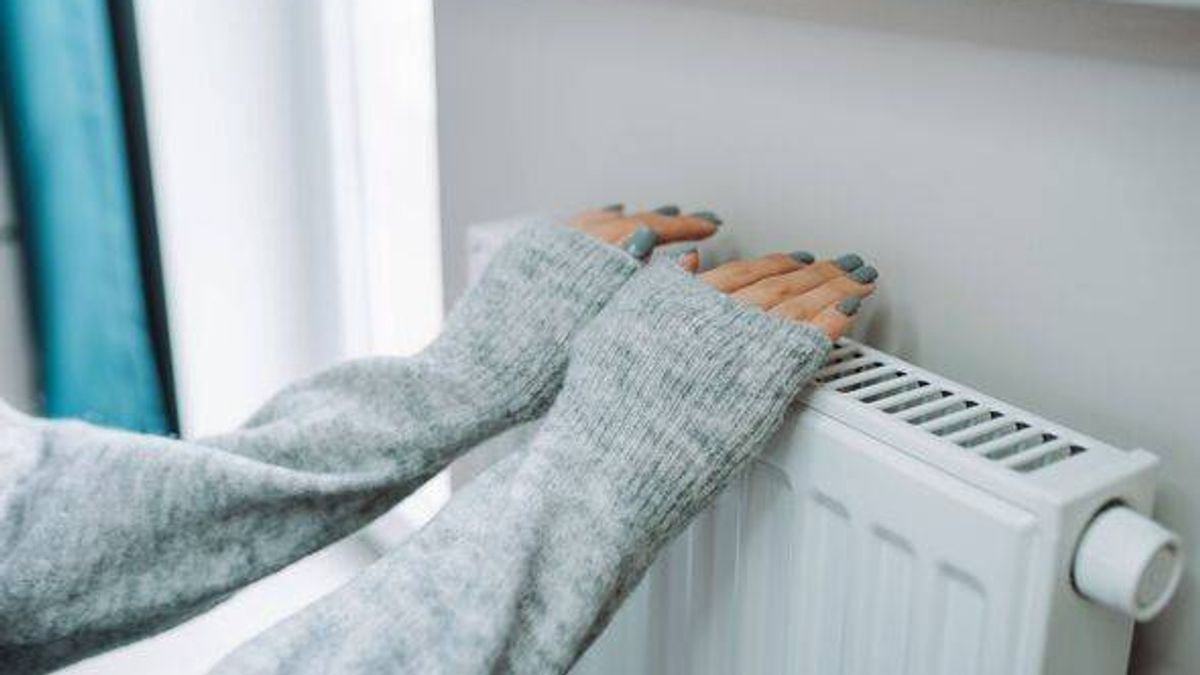

A specialist from British Gas shared advice on addressing cold spots in radiators by bleeding them, using a simple tool that costs only 97p. To identify if your radiator needs bleeding, watch out for cold spots at the top, gurgling noises, or slow heating. Before starting the process, ensure the heating is turned off.
To bleed your radiator, you will require a radiator key, which can be purchased inexpensively. Make sure the radiator is fully cooled down before proceeding to prevent any burns. Have an old towel and a container ready to catch the water. Locate the valve on the radiator, turn it anti-clockwise using the key, and listen for a hissing sound as trapped air escapes. Once water starts coming out, catch it in the container, tighten the valve, and move on to the next radiator.
Avoid turning the valve too much to prevent lowering the boiler pressure. Should issues persist after bleeding the radiators, it is advisable to seek assistance from a gas safe registered engineer. In addition, to maximize heat usage, a British Gas energy engineer recommends leaving the oven door open after cooking to warm up the kitchen gradually.
Energy bills have recently increased, with the average household paying around £1,758 annually for gas and electricity. Although the price cap limits unit rates and standing charges, the total bill depends on energy consumption. Customers not on a fixed tariff fall under the price cap, which has also risen for pre-payment meter and receipt of bill customers.