


With the U.S. 50% tariff deadline approaching, numerous businesses in British Columbia are feeling apprehensive about the potential repercussions on their financial performance. Blaine Maryniuk, the co-founder of West Coast Walls, expressed deep concerns, stating that a significant portion of his sales, ranging from 25% to 50%, are directed to the United States monthly. The looming deadline has led to constant worry for Maryniuk, who emphasized the existential threat posed by the situation.
Prime Minister Mark Carney highlighted the escalating negotiations with the U.S. as the tariff deadline nears, describing the discussions as “delicate” and “intense.” This urgency stems from attempts to avoid the proposed Section 338 tariffs and reduce existing tariffs on various industrial products like steel, aluminum, autos, and lumber in exchange for certain Canadian concessions. The U.S. justifies these tariffs by citing Canadian discrimination in sectors such as automobiles, dairy, and alcohol.
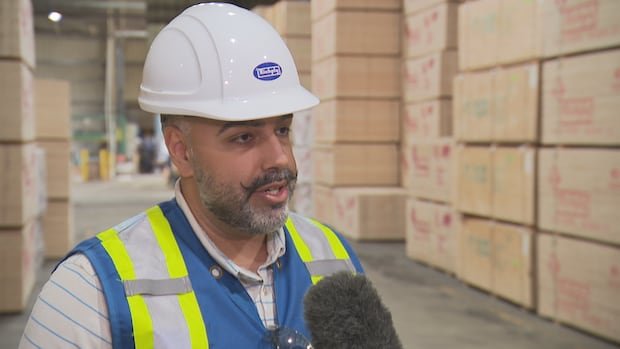
The planned tariffs targeting wood products are especially concerning for British Columbia, with industry experts warning of potential layoffs and survival challenges for businesses. Richmond Plywood’s CFO, Bhavjeet Thandi, expressed significant anxiety over the potential impact on their sales to the U.S., which account for about 20% of their product distribution.
Alex Mitchell, CEO of the Abbotsford Chamber of Commerce, highlighted the extensive reliance of over 300 businesses in Abbotsford on U.S. exports, totaling approximately $1.5 billion annually. The uncertainty created by fluctuating tariff policies poses significant challenges for maintaining stable trading relationships between customers and suppliers.
As the situation remains uncertain, businesses are eagerly awaiting the outcome of ongoing negotiations between Carney and U.S. President Donald Trump. The prevailing sentiment among business owners, exemplified by Maryniuk, is one of overwhelming concern. The potential impact of the tariffs on businesses across various sectors underscores the high stakes involved in these critical trade discussions.