


Dozens of individuals who were victims of sexual abuse by Roman Catholic priests in central and western Nova Scotia are on the verge of receiving compensation, nearly four years post the resolution of a class-action lawsuit against the Archdiocese of Halifax-Yarmouth.
Lawyers have confirmed that checks are expected to be dispatched in mid-September, following concerns earlier this year from some claimants and the overseeing judge regarding prolonged delays in payouts and perceived communication gaps.
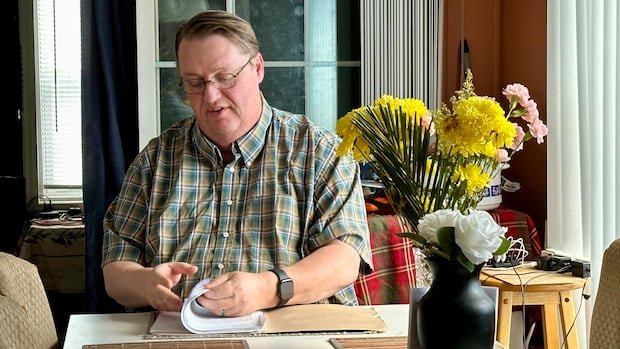
Timothy Clark, a survivor of priest abuse in the mid-1980s during his teenage years, expressed relief this week as the compensation process nears conclusion, describing a sense of emotional relief as a burden lifts.
The class-action lawsuit encompasses victims abused between 1954 and 2020, with over 65 individuals approved for compensation ranging from $21,799 to $303,294, based on the severity of abuse and resultant harm.
Nova Scotia Supreme Court Justice Christa Brothers sanctioned a settlement in November 2022, where the archdiocese agreed to a $10 million payout, including $3.2 million allocated to the law firms managing the class action.
Legal representatives for both the claimants and the archdiocese cited various factors contributing to payment delays for victims, including a surge in claims towards the end of 2023 as the submission deadline approached.
The evaluation process involved conducting interviews with numerous claimants to clarify details, a task that incurred time due to some individuals being hesitant to discuss the abuse they endured, as mentioned by John McKiggan, one of the leading lawyers in the class action.
Certain cases were referred to a third-party adjudicator. As the settlement earmarked a fixed sum, disbursements could only commence post the assessment of all cases, with the total number and severity determining the compensation for each victim.
McKiggan expressed satisfaction at reaching a resolution, acknowledging the stress the prolonged process imposed on survivors and class members, particularly those approved for compensation early but awaiting disbursement for several years.
Archbishop Brian Dunn of Halifax-Yarmouth expressed contentment at closing this chapter for victims, emphasizing the archdiocese’s commitment to providing compensation. Melanie Comstock, a legal representative for the archdiocese, noted that the compensation amounts rank among the highest in Canada for historical abuse class actions, affirming the fairness of the process for both victims and the church.
One factor contributing to the process delay, as highlighted by Comstock, was the innovative compensation determination approach that granted claimants flexibility in choosing their route. While most opted for a written claim and potential interview, some pursued a more detailed process involving additional evidence and extensive questioning for higher compensation claims.
Clark, who endured abuse at 14, emphasized that his involvement in the class action was not primarily motivated by monetary gain but rather by the hope of sharing his experience and seeking recognition. Despite initial expectations of engaging with archdiocesan leadership to address his abuse, Clark acknowledged the absence of such a component in the process.
He expressed gratitude for the anticipated compensation of approximately $52,000, intending to utilize the funds to settle debts accrued while supporting his children’s university education.