

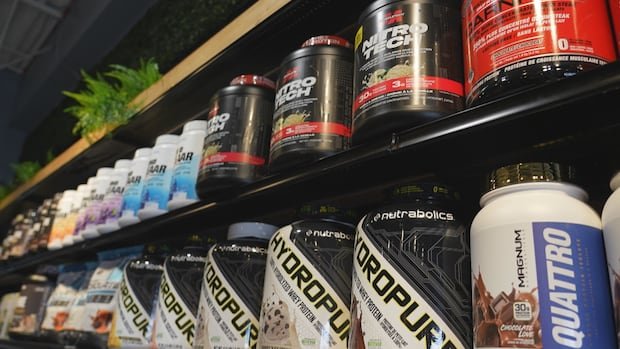

As Jennifer Mason aims to increase her protein intake, she has relied on whey protein powder as a dietary supplement in recent years. However, the escalating prices have left her astonished. Being a new mother facing mounting expenses, she is reconsidering her grocery choices.
“I’m reducing my consumption. I’m exploring natural sources of protein in my diet rather than relying on products,” she explains.
To cater to the surging demand, food producers and fast-food chains are incorporating whey protein into various items ranging from snacks to beverages. This trend is contributing to shortages of the ingredient, leading to unprecedented price hikes. Additionally, the ongoing U.S.-Canada trade conflict is further inflating costs, potentially burdening consumers.
The market is witnessing a rise in protein-enriched products like chips, Pop-Tarts, and candies. Figures like Khloé Kardashian have introduced protein-infused snacks, while Starbucks has joined the trend with protein cold foam, aligning with the whey protein offerings at Booster Juice.
Prominent brands are fortifying their products with whey protein to attract health-conscious buyers. Fitness influencers are promoting protein-maximizing, a practice of incorporating dietary protein at every opportunity. Furthermore, individuals taking weight-loss medications like Ozempic are increasing their protein intake to prevent muscle loss.
This heightened demand is straining the global supply of whey protein concentrate, a key ingredient in high-protein foods. John Murray, overseeing marketing at Daryl’s Bars, a protein snack manufacturer in Tecumseh, Ont., notes the challenges faced by smaller businesses like theirs in securing sufficient whey amid large orders from major corporations.
Most of Canada’s whey protein concentrate is imported from the U.S., where prices have more than doubled in the past 18 months. The U.S. Dairy Export Council reports that the domestic demand for high-protein whey is insatiable, limiting availability for exports.
As prices soar, Murray mentions that Daryl’s Bars has been compelled to raise prices on its protein snacks to offset escalating costs. He underscores the importance of sourcing ingredients domestically to mitigate the impact.
The trade dispute is further squeezing food manufacturers, with the Canadian government imposing 50% tariffs on American whey imports in response to U.S. tariffs on Canadian goods. Canadian businesses can seek relief through Ottawa’s tariff-remission program but must prove the unavailability of domestic or non-U.S. alternatives.
Addressing the supply chain challenges, Mike von Massow, a food economist at the University of Guelph, highlights the complexity of whey production, being a byproduct of cheese-making that requires specialized equipment for processing.
With the U.S. being a major whey protein producer due to its significant cheese output, Canada faces limitations in processing capacity. The Dairy Processors Association of Canada anticipates a shift towards sourcing from New Zealand to circumvent the increased costs from U.S. imports.
Foreseeing price hikes cascading through the supply chain, von Massow predicts a sustained increase in the cost of protein products. While some consumers like Audrey Marcoux are willing to absorb the added expense due to their fitness routines, others like Nathan Bugiardini are contemplating scaling back purchases if prices continue to rise.
Amid the soaring whey protein prices, some consumers are exploring plant-based substitutes and unprocessed whole foods as cost-effective alternatives. The financial strain caused by the steep costs is discouraging individuals like nineteen-year-old Melania Antic from maintaining their gym routines and protein consumption.