

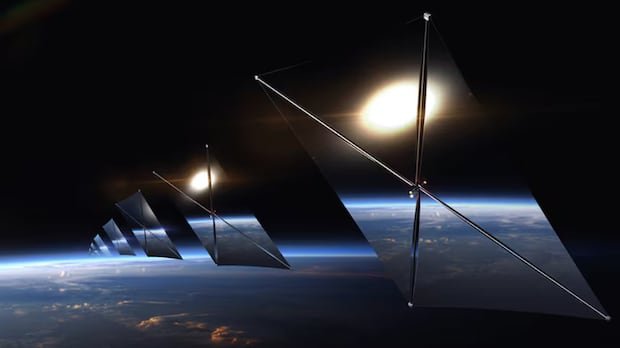

A group of astronomy experts and enthusiasts in New Brunswick are voicing opposition to a U.S.-based company’s plan to use space mirrors to provide artificial sunlight for a fee. Reflect Orbital, the company behind the project, dubs it “sunlight on demand” and intends to offer it as a service for various purposes such as agriculture, solar power infrastructure, search and rescue operations, and construction projects.
Mount Allison University astronomy professor Catherine Lovekin criticized the initiative, expressing concerns that it would negatively impact ground-based astronomy and stargazing. Reflect Orbital, established in 2021, received approval from the U.S. Federal Communications Commission in July for a single mirrored satellite for testing purposes.
The company aims to deploy 50,000 satellites by 2035 to reflect sunlight back to Earth, potentially affecting night skies and various ecosystems. Stéphane Picard, owner of an astro-tourism organization, emphasized the importance of dark-sky sites in New Brunswick for tourism and preserving natural night views.
Chris Curwin, from Astronomy by the Bay, echoed worries about the escalating light pollution and the diminishing opportunities to appreciate celestial events. Reflect Orbital defended its project, stating that the light would be targeted and regulated to minimize impact, with exclusion zones for astronomical observation sites. Despite the company’s assurances, concerns have been raised by various astronomy professionals and organizations globally, prompting discussions on international space regulations and laws.