

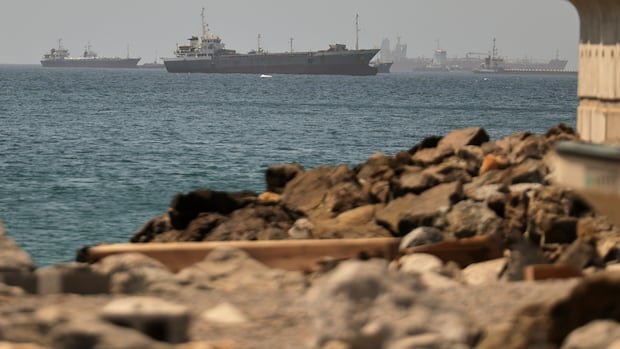

A recent study suggests that the accumulation of various organisms on ships stalled in the Gulf region due to the closure of the Strait of Hormuz could lead to a significant environmental threat when these vessels resume traveling. The paper, released on July 22 in Biological Invasions, highlights the potential for algae, barnacles, tunicates, and other species to spread internationally from the Persian Gulf and the Gulf of Oman, posing a substantial biosecurity risk.
Lead author Mario Tamburri, a professor at the University of Maryland Center for Environmental Science, emphasized the concerning nature of the situation by stating that the current scenario could facilitate the widespread dispersal of species through biofouling.
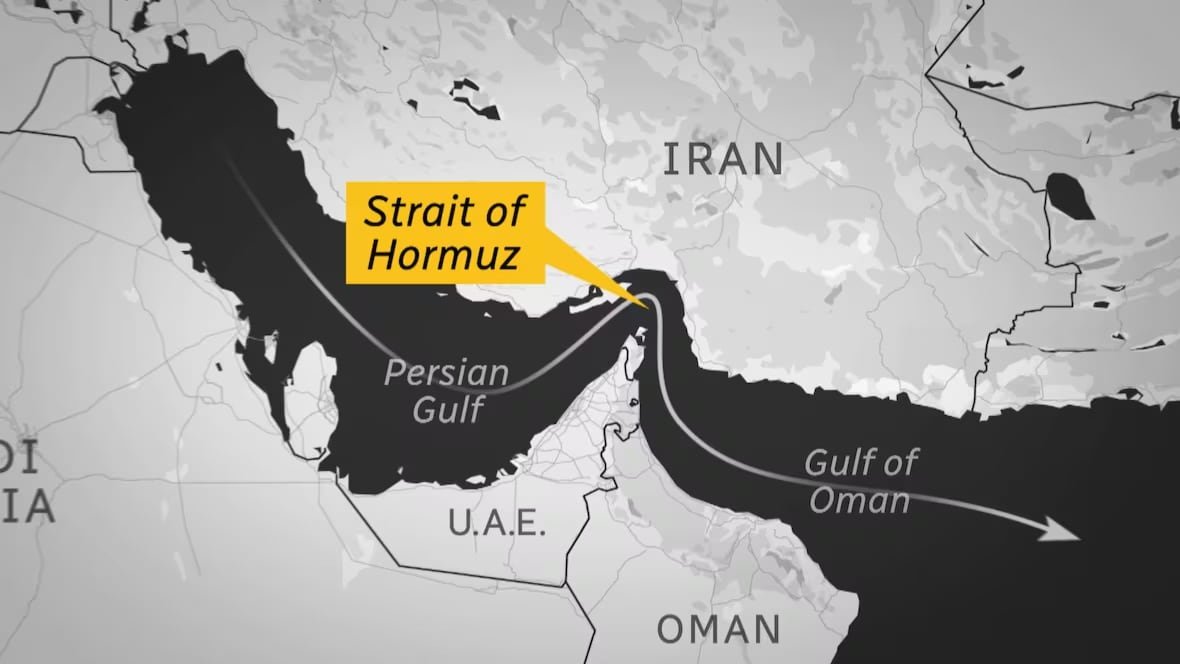
According to the researchers, around 1,500 ships are currently immobilized in the Persian Gulf, with additional vessels stuck in the Gulf of Oman due to the strait’s closure triggered by the U.S.-Iran tensions. The paper underlines the risk of invasive species spreading globally through biofouling if the ships are not adequately managed.
Significance of Potential ‘Super-Spreader’ Event
The prolonged stationary state of vessels in the region is described by Tamburri and his co-authors as a “worst-case scenario,” as ships typically spend only a few days in port and may go years without hull cleanings. Some ships in the Gulf have been motionless for significantly longer periods than usual, making them prone to biofouling.
Tamburri further explained that the hull coatings designed to prevent biofouling lose effectiveness when ships are inactive for extended durations. The number, size, and close proximity of the vessels, combined with the timing of the closure during the organisms’ active seasons, elevate the risk of a potential “super-spreader” event.
The researchers also highlighted the challenges associated with cleaning the ships before they recommence their journeys. The volume of vessels and the lack of adequate resources for rapid cleaning pose logistical difficulties, especially amidst ongoing conflicts.
Impact on Marine Ecology
While the movement of species through cargo and ballast water has received attention, biofouling has been relatively overlooked. The paper draws attention to the potential ecological consequences of organisms attaching to ships and introducing themselves to new ecosystems.
One such example is the spread of tunicates through biofouling and ballast water, which can out-compete native species in various regions. The absence of mandatory regulations for biofouling compared to ballast treatment indicates a need for increased awareness and regulatory measures.
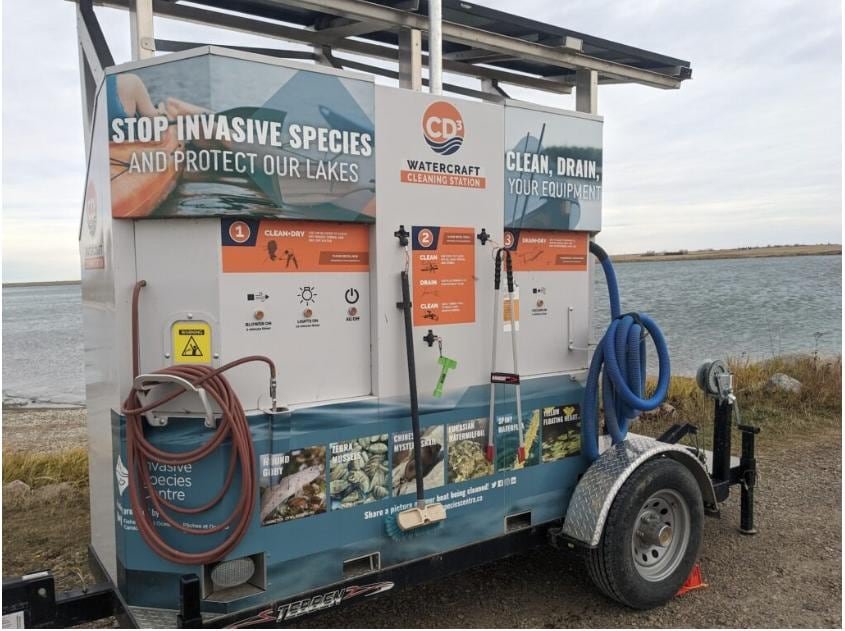
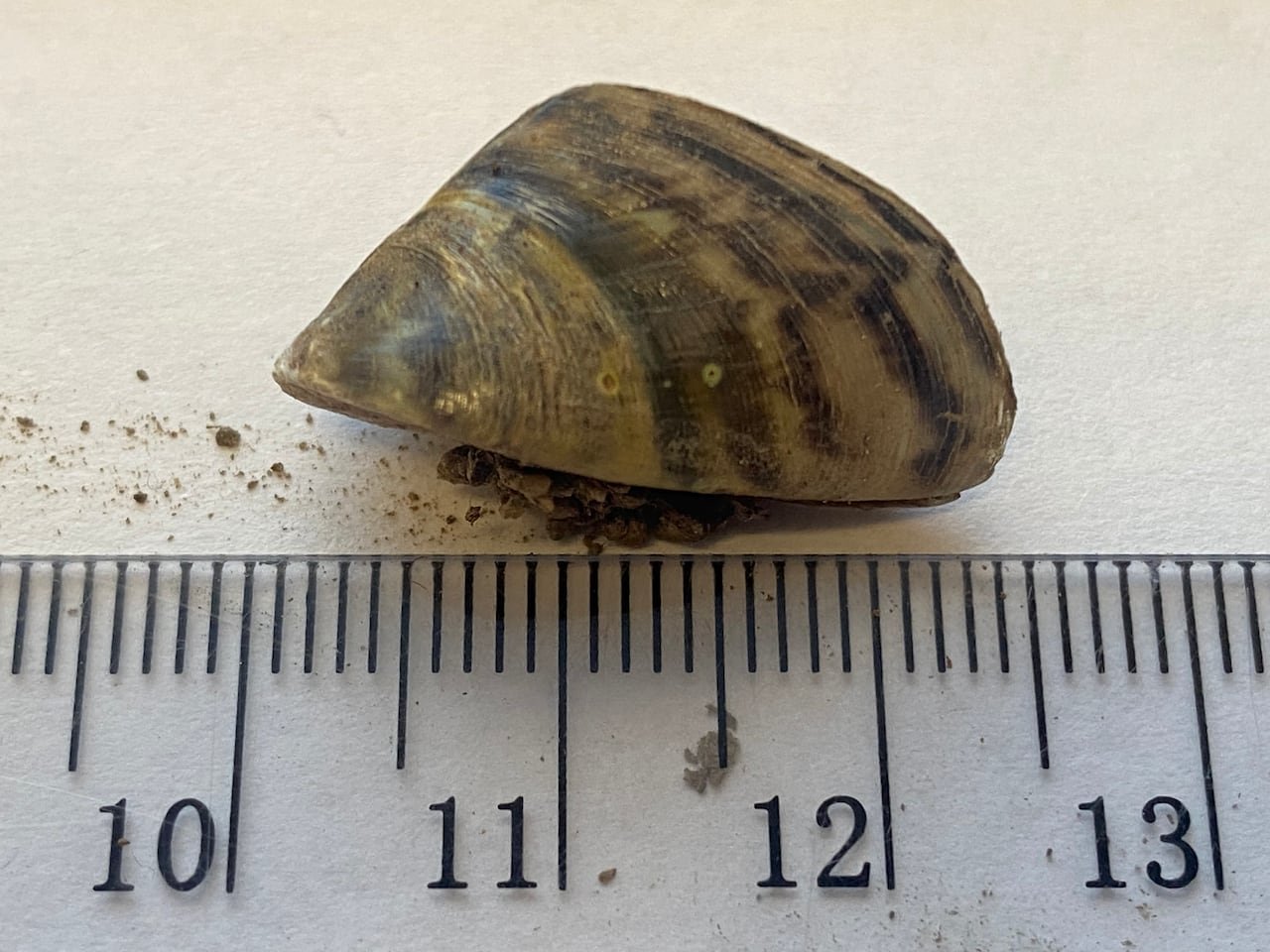
Experts caution that once established, invasive species are challenging to eradicate and can have lasting detrimental effects on ecosystems. The study underscores the interconnected nature of marine invasions, where ships act as vectors for spreading organisms to new locations, potentially