

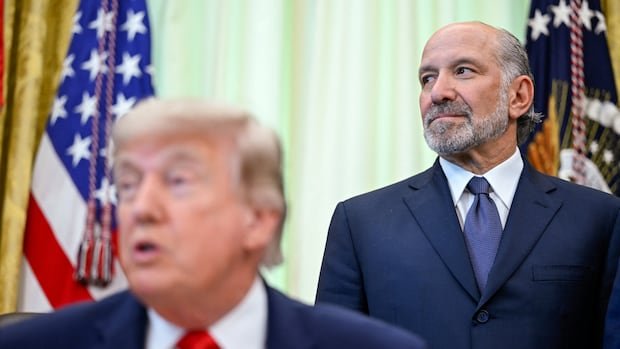

The trade deal between the United States and Canada is facing potential changes as high-stakes negotiations reach a critical stage in Washington, according to sources familiar with the discussions. U.S. Commerce Secretary Howard Lutnick, a key figure in President Donald Trump’s administration, is reportedly dissatisfied with the current terms on the table and is advocating for adjustments to secure a more favorable agreement.
Lutnick is particularly concerned about the proposed reduction of sectoral tariffs, including the possibility of lowering the tariff on Canadian-made automobiles from 25 percent to 15 percent. He believes that such a move could hinder efforts to promote domestic production in the United States.
While the sources did not disclose their identities due to confidentiality reasons, they indicated that Lutnick’s reservations do not pose a threat to the overall deal. However, his discontent contrasts with the positive outlook conveyed by Trump, Prime Minister Mark Carney, and top trade negotiators from both countries in recent public statements.
An official statement from the U.S. Department of Commerce did not refute reports of Lutnick’s dissatisfaction with the terms. The department emphasized that President Trump, Secretary Lutnick, and their team are committed to securing the best deal for the United States.
Negotiations between Canada and the U.S. aim to finalize the trade agreement before the impending deadline for new tariffs set by President Trump. The specifics of the deal have not been disclosed publicly, but sources suggest that it may involve reducing tariffs on key Canadian sectors, such as aluminum, steel, and automobiles. In return, Canadian officials are reportedly considering lifting provincial restrictions on American alcohol.
The White House has refrained from confirming specific details of the agreement, cautioning that any reports should be treated as speculation until officially announced. Despite the ongoing negotiations and potential adjustments, both countries express optimism about reaching a mutually beneficial agreement as the deadline approaches.