

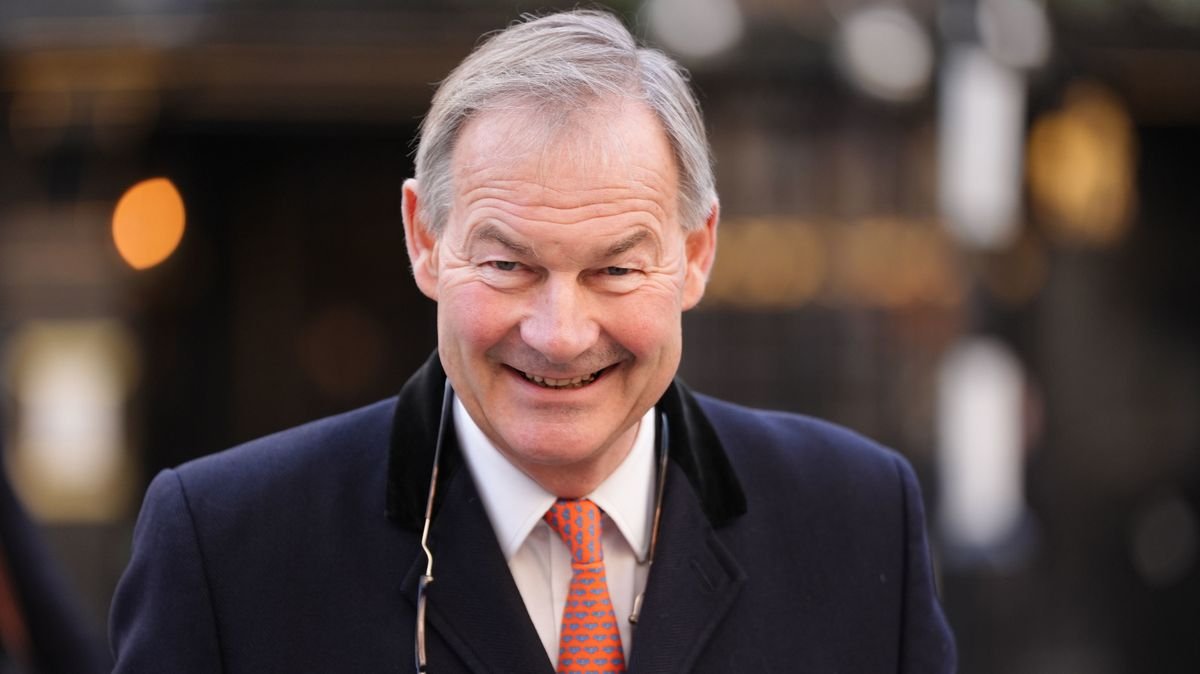

The former public schoolboy and city banker, now a wealthy Reform MP, has named his party Restore Britain, shortened to Restore. The choice of name is akin to a male hair loss treatment, fitting for a party lacking strong foundations, thin support base, and aging, colorless members.
The party’s far-right ideology includes advocating for mass deportations, prompting criticism and comparisons to a more fitting name, “How Lowe Can You Go.” Despite its small membership, the party recently held a shadow cabinet press conference, drawing parallels to a pop group with Farage as the frontman.
During the event, questions arose about the party members’ privileged backgrounds, raising concerns about their commitment to public education. Farage, displaying a thin-skinned response, shut down inquiries with a dismissive tone, reminiscent of Trump’s tactics.
Subsequent scrutiny from media personalities highlighted Reform’s vague plans and lack of clarity on key policies, such as the Equality Act. Notably, the party’s proposed reforms, like reinstating a two-child benefit cap, lack substantive solutions, casting doubt on their credibility.
Critics point out the contradiction between Reform’s promise to boost wages and their actions, like opposing worker rights legislation. The party’s recruitment of defected councillors from Kent’s Reform branch to Restore only fuels skepticism about its integrity and motives.
Amidst the political theatrics, the parties’ focus on anti-immigrant sentiments overshadows any substantive policy proposals, reinforcing perceptions of divisive rhetoric and intolerance.
In other news, a silver lining for Andrew Mountbatten-Windsor, as his arrest coincided with his 66th birthday, making him eligible for a free National Bus Pass. The satirical tone reflects on current events and societal observations, adding a touch of humor to the narrative.