


Britain has reportedly denied the US permission to conduct attacks on Iran from UK military bases, leading to tensions with Washington. While the US President, Donald Trump, appears unconcerned about international law and conventions, the UK prioritizes adherence to them.
Although the UK hosts thousands of US troops on its bases, it has historically been the UK’s decision to authorize offensive actions conducted by US military personnel from its territory. This authority stems from the 1951 NATO Status of Forces Agreement and the subsequent Visiting Forces Act.
The escalating tension, particularly fueled by Trump’s dissatisfaction with the UK over the arrest of Andrew Mountbatten-Windsor, could strain the relationship between Keir Starmer and Trump. The refusal to allow bombers to launch operations from UK bases, even though not crucial for an Iran mission, could create a significant divide.
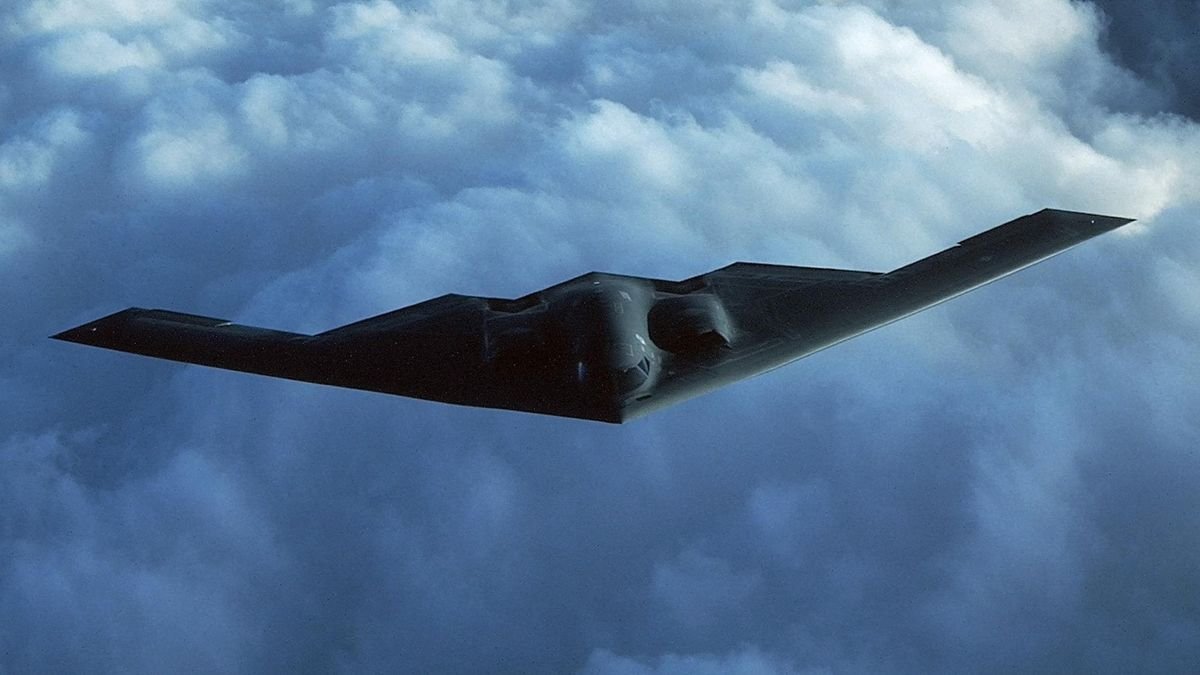
The regulations from 1951 define a combat mission as when US aircraft are armed and prepared to strike another country. Any bomber departing from locations like RAF Fairford or Diego Garcia and heading towards Iran would be considered part of a combat mission.
According to international law, states that support an attack with prior knowledge of the circumstances are equally responsible as the state carrying out the attack. While in 1986, the UK sanctioned the US to launch an attack on Libya, the current situation warrants the UK to comply with legal considerations and restrict only certain aspects of support.
The United States is pressuring Iran to halt its nuclear and ballistic weapons programs, cease funding proxy forces like Hezbollah, and improve treatment of opposition protesters. As tensions rise, a significant US military presence is building in the Persian Gulf in preparation for potential actions against Iran.
Trump has threatened strikes on Iran if no agreement is reached, setting a deadline for Iran to comply. The UK’s perceived obstruction of any threat towards Iran has strained its relationship with Washington, potentially requiring extensive diplomatic efforts to mend.