

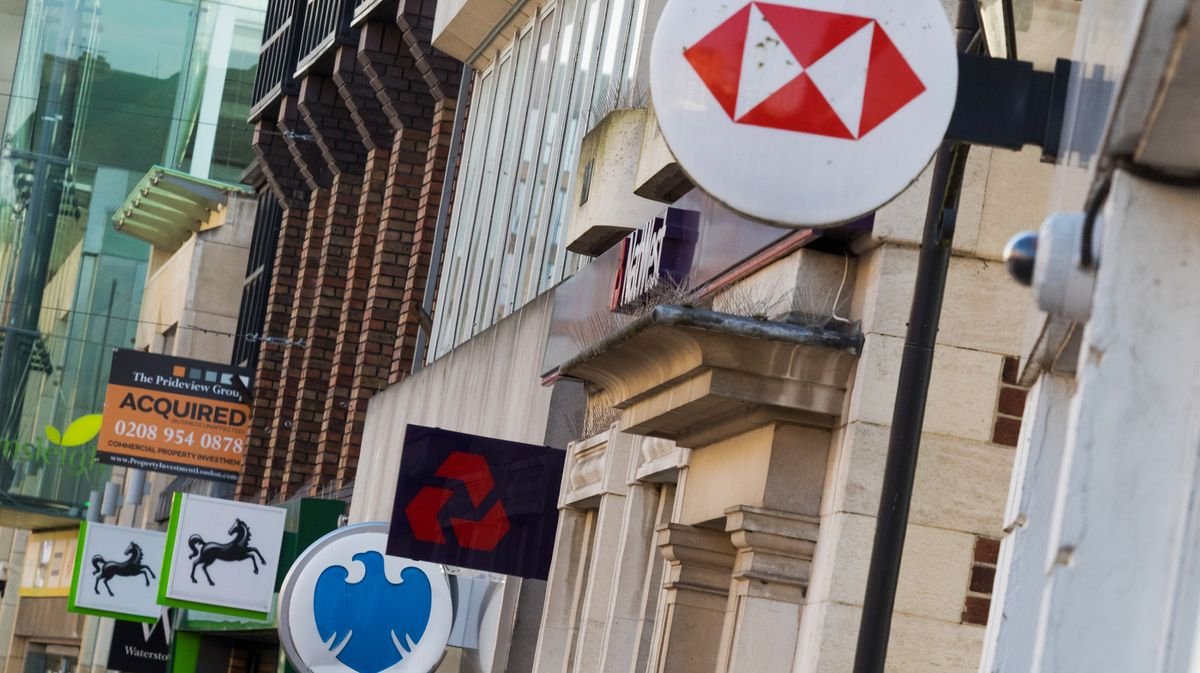

More than 100 bank branches are expected to close in 2026 as major banks continue to withdraw from traditional high street locations. This year alone, closure dates have been confirmed for 73 branches of leading banks such as Lloyds, NatWest, Santander, Halifax, and Bank of Scotland.
An additional 29 branches have revealed plans to shut down without finalizing closure dates, bringing the total anticipated closures to 102. Lloyds is at the forefront with 40 branches nearing closure or awaiting confirmation on end dates.
The upcoming closures include 18 Santander branches, 17 Bank of Scotland branches, 15 Halifax branches, and seven NatWest branches. The banking giants attribute these closures to the shift in customer behavior towards digital banking services over traditional in-person transactions.
By the end of this month, 35 branches will have disappeared from high streets, with two more scheduled for closure in February and an additional 23 in March. The remaining closures are set for July and October or are pending confirmation. Cornwall faces the most significant impact from bank closures, with several branches already scheduled to close this year.
Last year saw 13 branch closures, with similar trends in previous years, resulting in a total loss of 45 banks. Scotland’s Highland council area is also expected to lose six banks this year, including two without announced closure dates.
In total, Scotland is projected to lose 20 banks, with additional closures in Wales, Northern Ireland, and England. The South East and South West regions of England are the hardest hit, with 17 bank branches closing in each area.
Following a commitment from major banking groups in February 2022 to assess closure impacts, over 2,000 branches have either closed or announced closure plans. The LINK initiative ensures that vulnerable customers and small businesses are not left stranded by the shift towards digital and cashless payment solutions.
In response to branch closures, banking hubs and free ATMs are being established to support communities left without local bank services. Both LINK and Cash Access UK reaffirm their commitment to safeguarding cash infrastructure for those who still rely on traditional banking services.