
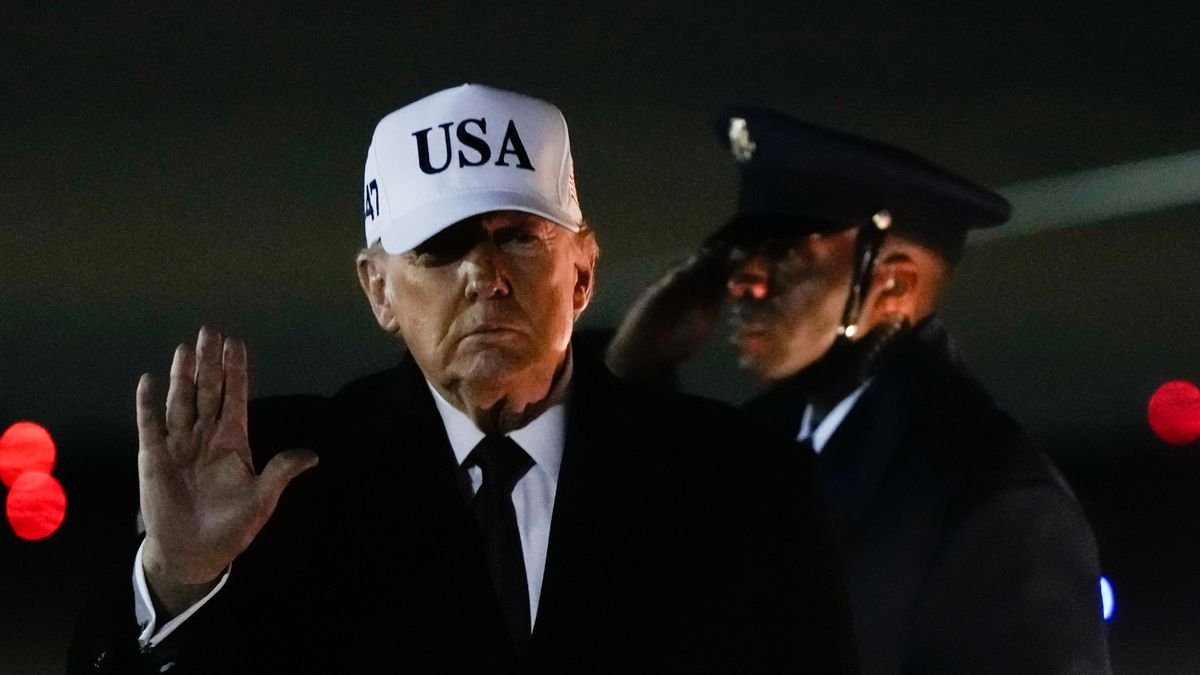

After being advised that the strike on Iran may not achieve its intended goal, US President Donald Trump reportedly decided to halt the plans. However, the possibility of future attacks remains pending updated intelligence from Iran. Concerns about potential retaliatory actions from Iranian-backed groups like Hezbollah in Lebanon, the Houthis in Yemen, and pro-Tehran militias in Iraq may have contributed to the decision to delay the attack to safeguard Israel.
Toppling the Iranian regime and supporting local protests would be a significant challenge, especially considering the need to neutralize key facilities of the Islamic Revolutionary Guard Corps. The complex task of locating regime leaders amidst heightened security measures, including checkpoints and restricted areas, adds to the difficulty of executing such a plan effectively.
The unpredictable nature of President Trump’s decisions complicates the situation, as his attention-grabbing rhetoric often lacks follow-through. Real-time information on ongoing protests in Tehran is scarce, raising uncertainties about the protest movement’s momentum and the regime’s future. The crackdown on opposition cells and the regime’s promises to avoid executions may shape the course of events, although skepticism remains about trusting the Iranian government’s assurances.
Efforts are underway to gather accurate information on the ground in Iran, which could prompt a response from the US. Trump’s warning of a “strong” reaction in case of escalating violence indicates a readiness to act. The potential consequences of widespread casualties in Iran on Trump’s stance and Iran’s treatment of dissenters underscore the high stakes involved.
The situation in Iran remains fluid, with external powers closely monitoring developments for potential intervention. The outcome of this delicate balance of power hinges on accurate intelligence and decisive actions in response to unfolding events.