

Iran is witnessing a wave of anti-government protests that have turned violent, with reports of thousands of casualties. Amid escalating tensions, U.S. President Donald Trump has issued threats of military action if civilian deaths continue. In a harrowing development, a local shopkeeper has been sentenced to death through a gruesome execution.
The unrest initially sparked in Tehran’s markets due to soaring inflation, leading to the disappearance of essential goods from shelves as shop owners faced pressure to raise prices. The government’s decision to halt a program offering discounted U.S. dollars to certain importers exacerbated the situation, causing widespread discontent.
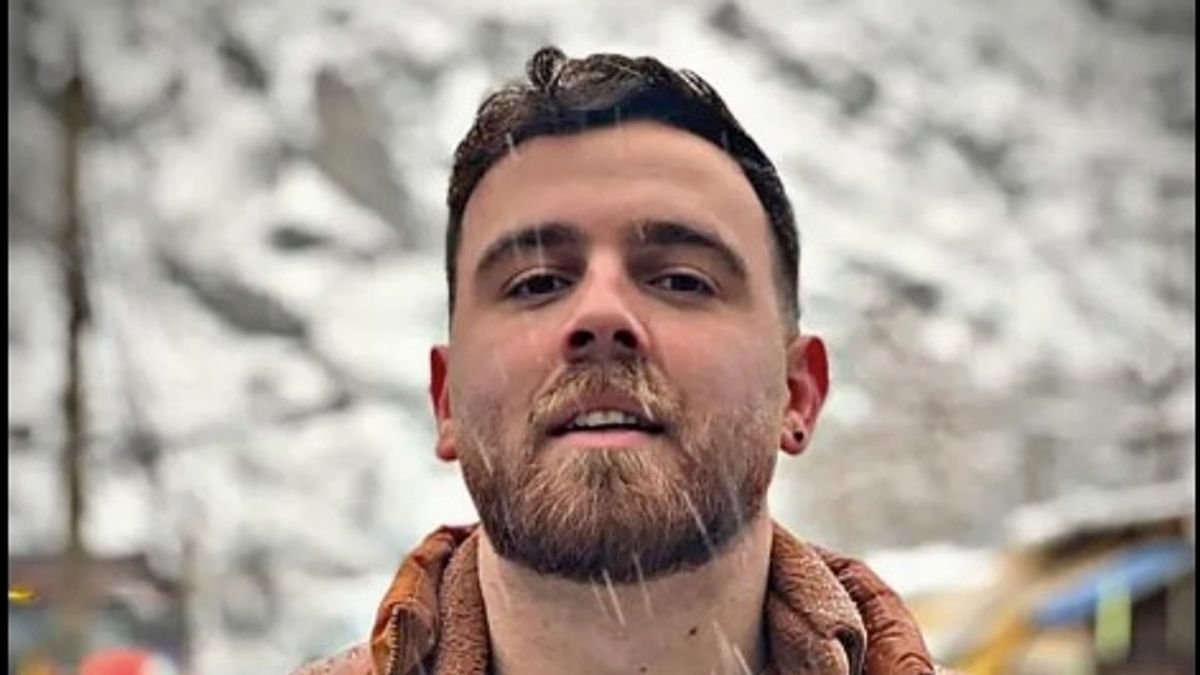
The protests have now spread across all 31 provinces of Iran, resulting in a significant death toll. Authorities have confirmed the deaths of over 2,000 individuals involved in the violent demonstrations. One such case is that of Erfan Soltani, a 26-year-old who was apprehended for his alleged participation in anti-government activities and is set to be executed by hanging, with no proper legal proceedings.
Iran has a high rate of executions, with over 972 executions reported in 2024 compared to 25 in the United States. The regime, led by Ayatollah Ali Khamenei for more than 35 years, has a history of resorting to the death penalty as a means of control, even during periods of relative calm. Human rights organizations have raised concerns over the rapid judicial process and the use of fear tactics to suppress dissent.
There are fears of escalating violence, including public executions, indiscriminate shootings, and brutal killings, possibly leading to mass state-sanctioned executions. Erfan’s impending execution by public hanging, a method known for its prolonged and agonizing process, symbolizes the harsh reality faced by dissenters in Iran.
International human rights bodies have condemned Iran’s use of public executions as a violation of fundamental rights and international conventions. While stoning remains a legal form of punishment, efforts to curb such practices have gained momentum globally. Recent reports highlight cases of severe human rights abuses, underscoring the dire situation faced by activists and dissidents in the country.
Amid these grave circumstances, there is growing apprehension among the local population regarding potential military intervention, following President Donald Trump’s remarks. Iranians express a mix of skepticism and determination, questioning the intentions of foreign powers while contemplating the continuation of protests in the face of adversity.
At Reach and across our entities we and our partners use information collected through cookies and other identifiers from your device to improve experience on our site, analyse how it is used and to show personalised advertising. You can opt out of the sale or sharing of your data, at any time clicking the “Do Not Sell or Share my Data” button at the bottom of the webpage. Please note that your preferences are browser specific. Use of our website and any of our services represents your acceptance of the use of cookies and consent to the practices described in our Privacy Notice and Terms