

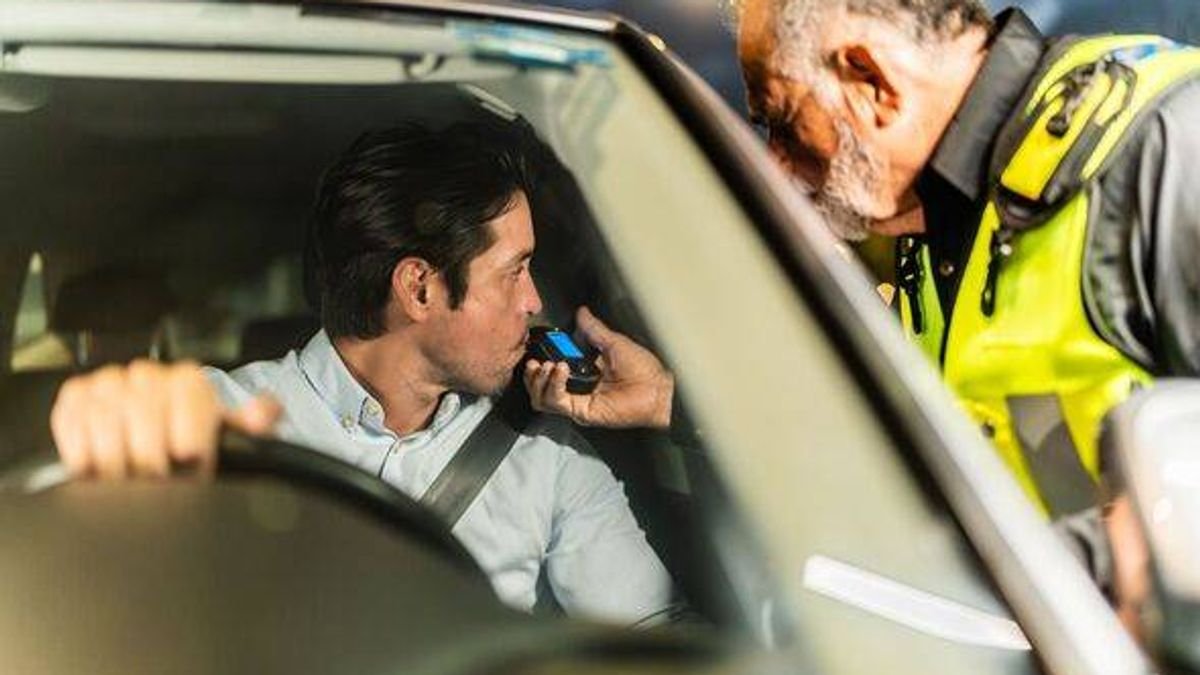

A Labour minister has firmly supported the decision to reduce the drink-drive limit, stating that action must be taken to address the alarming number of alcohol-related road accidents. Transport minister Lilian Greenwood revealed that heartfelt conversations with families who lost loved ones in car crashes have reinforced the urgency to strengthen regulations.
In contrast, Nigel Farage criticized the proposed measure, labeling it as “ridiculous” and expressing concerns about its impact on rural pubs. However, Greenwood emphasized the necessity of the change, highlighting the 260 fatalities attributed to drunk driving last year as unacceptable. She stated, “Enough is enough,” stressing the government’s commitment to addressing the root causes of traffic collisions.
The new road safety strategy introduced by the Labour party aims to align England and Wales’s drink-drive limit with Scotland’s standards. The proposal suggests reducing the limit from 35 micrograms of alcohol per 100 milliliters of breath to 22 micrograms, potentially affecting individuals even after consuming just one pint, as factors like age, weight, and sex can influence alcohol tolerance.
Additionally, the Department for Transport plans to explore setting an even lower limit for new drivers and introducing “alcolocks” for convicted drink-drivers, along with implementing random “stop and search” procedures by the police to detect intoxicated drivers.
In response to concerns raised by the British Beer and Pub Association (BBPA) regarding potential trade impacts, the government referenced studies showing no significant adverse effects on the pub industry in Scotland following the reduction of the drink-drive limit in 2014. The BBPA reiterated the sector’s commitment to promoting responsible drinking and supporting anti-drink-drive initiatives but warned about additional policy measures affecting trade, particularly in rural areas.