
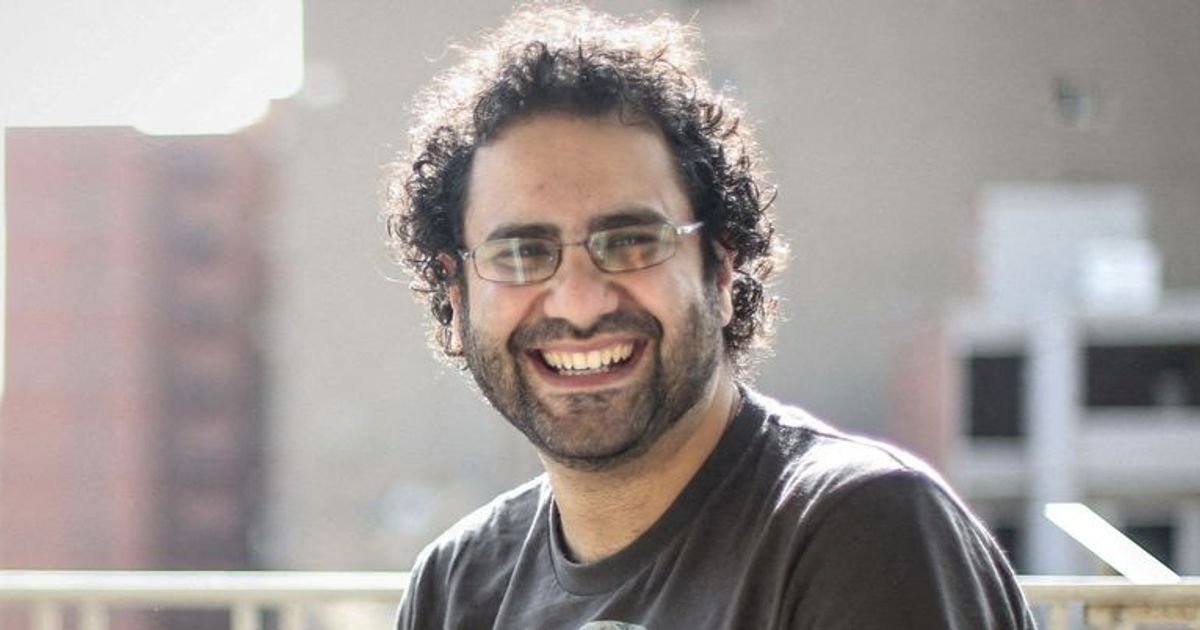

Yvette Cooper has initiated a review regarding “significant information oversights” after offensive posts made by released activist Alaa Abd El-Fattah went unnoticed.
The UK’s Foreign Secretary revealed that past high-ranking politicians and government officials were unaware of Mr. El-Fattah’s social media remarks advocating violence against Zionists and law enforcement. Following his release from prison and the lifting of a travel ban, he arrived in the UK on Boxing Day.
Despite the welcoming reception from both Yvette Cooper and PM Keir Starmer, there was a backlash when tweets from 2010 surfaced. Cooper has commissioned a review of the incident, citing deficiencies in existing procedures and vetting processes.
Expressing deep concern amidst a backdrop of increasing antisemitism and recent attacks on Jewish communities worldwide, Cooper highlighted the distress caused by the historical tweets. She emphasized the need to rectify the information lapses and enhance due diligence protocols within the department for future cases.
Alaa Abd El-Fattah acquired British citizenship in December 2021 under Boris Johnson’s premiership, facilitated through his British-born mother. Although there have been calls from the Tories and Reform UK to revoke his citizenship, current indications suggest no immediate plans for such action.
El-Fattah’s imprisonment for disseminating false information was condemned as a violation of international law by UN investigators. Following a pardon from Egyptian President Abdel-Fattah el-Sisi in September, efforts from both Tory and Labour administrations led to his release and reunion with his son in Brighton.
In a public apology, El-Fattah acknowledged the inappropriateness of his past comments, attributing them to youthful emotions during regional conflicts and societal unrest. He expressed regret for engaging in online disputes without considering the impact of his words on others.
The UK government defended its handling of the situation, reaffirming its commitment to the return of unfairly detained British citizens. While condemning the historical tweets as abhorrent, officials maintain that current laws do not support the revocation of El-Fattah’s citizenship except in cases of fraud or involvement in serious criminal or terrorist activities.