

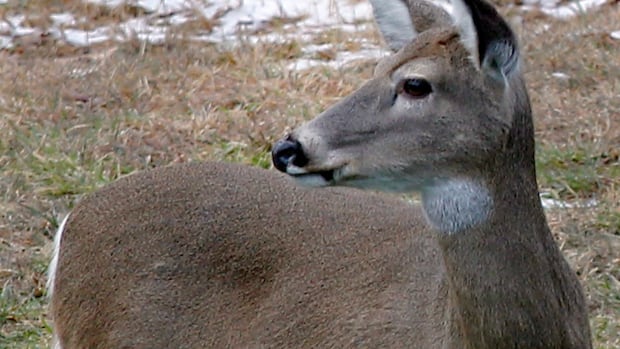

The Yaq̓it ʔa·knuqⱡi’it First Nation is urging hunters to honor wildlife and adhere to legal hunting practices, following numerous cases of suspected poaching and irresponsible hunting behavior that have emerged this fall.
Tyler Phillips, the director of lands and resources for the Yaq̓it ʔa·knuqⱡi’it First Nation, expressed his concern regarding the number of animals left behind without their meat being utilized. “I’m quite troubled by this situation,” he remarked.
Phillips, along with the Yaq̓it ʔa·knuqⱡi’it First Nation, reports an uptick in suspected poaching and illegal hunting activities occurring both on and around the nation’s reserve lands in the East Kootenay region.
Phillips stated, “Some individuals accessing the reservation are not members of our nation.” Hunting on Yaq̓it ʔa·knuqⱡi’it reserve lands is restricted to members only, unless specific permission is granted.
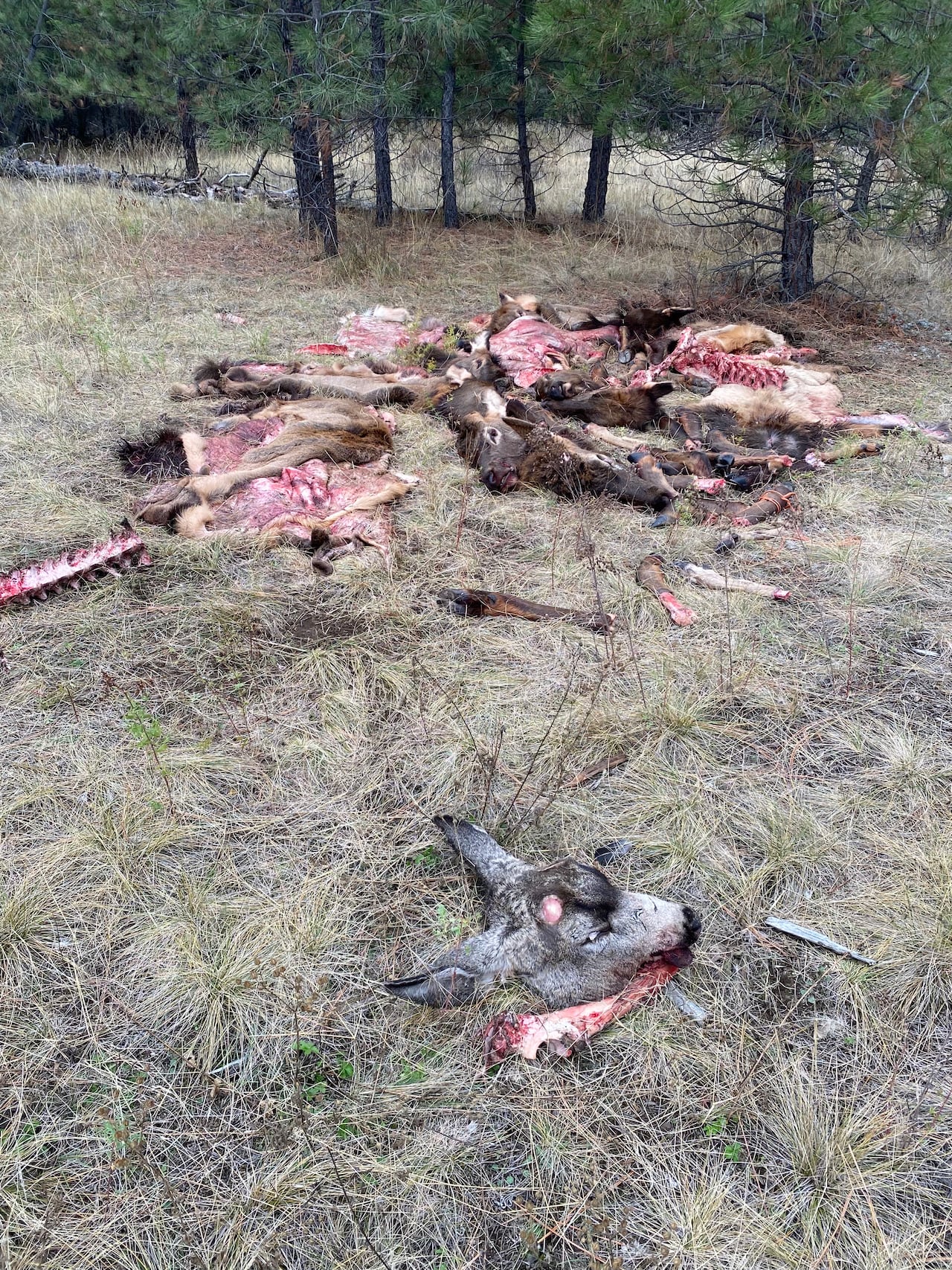
The Yaq̓it ʔa·knuqⱡi’it First Nation reports an increase in suspected poaching and discarded animal remains in the East Kootenay area. (Tyler Phillips)
This hunting season, Phillips noted that there have been nine instances where elk and deer carcasses were abandoned on the reserve. The Yaq̓it ʔa·knuqⱡi’it Guardian Team, responsible for monitoring the area for environmental violations, made these discoveries.
Phillips mentioned that the guardian team suspects the individuals involved opted to discard animals that did not meet the size requirements for their tags.
“To evade penalties, they chose to leave the animals behind,” he explained.
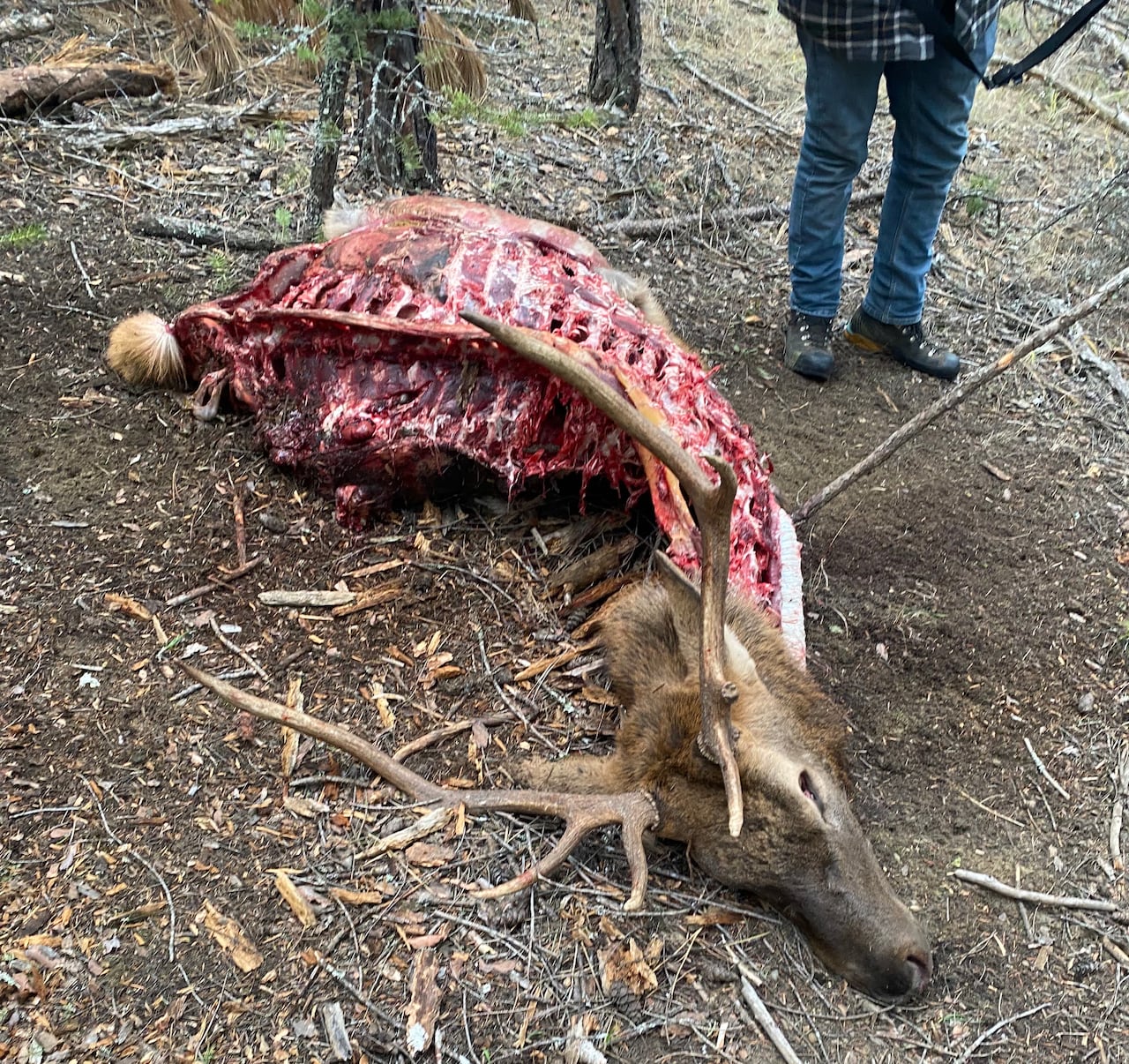
The Yaq̓it ʔa·knuqⱡi’it First Nation states that these offenses are illegal and raise significant concerns regarding unlawful harvesting, waste of wildlife, and improper disposal methods. (Tyler Philips)
During their patrols this fall, the guardian team also found numerous instances of improperly discarded animal parts near the reserve, which is particularly concerning within a chronic wasting disease-control zone like East Kootenay.
“This is indeed a significant issue. It is crucial that every animal eligible for testing is submitted, allowing us to monitor the disease,” Phillips asserted.
He added that leaving behind deer and elk heads not only obstructs testing efforts but can also facilitate the spread of chronic wasting disease.
The guardian team has subsequently broadened its patrol area to monitor for hunters, poachers, and other environmental impacts, according to Phillips.
Phillips indicated that the Yaq̓it ʔa·knuqⱡi’it team is collaborating with the B.C. Conservation Officer Service (BCCOS) and the B.C. Wildlife Federation to identify and prosecute those involved in these offenses.
Jesse Zeman, executive director of the B.C. Wildlife Federation, stated that such actions are illegal and stem from poaching or unlicensed hunting.
“This reflects a total disregard for hunting ethics, wildlife, and regulations,” he added.
Zeman specifically noted that the heads of elk and deer were not removed and submitted for mandatory testing in the area.
Additionally, he observed that some of the animals shot did not adhere to the size and antler standards prescribed for this year’s tags.
“The severity of these violations is alarming,” Zeman remarked.
He mentioned that if the responsible parties are identified, the BCCOS can impose charges leading to penalties such as fines, license revocation, and even imprisonment. Zeman also noted that the B.C. Wildlife Federation provides rewards up to $2,000 for information leading to the conviction of poachers or illegal hunters.
Phillips emphasized that everyone, including those who do not hunt, can contribute by reporting any suspicious activities.
“I encourage all hunters to abide by the regulations set forth by the province and to engage in respectful harvesting of wildlife in this area. I also ask the public to report any unlawful behavior they observe,” Phillips urged.
Tag: rewrite-pending