
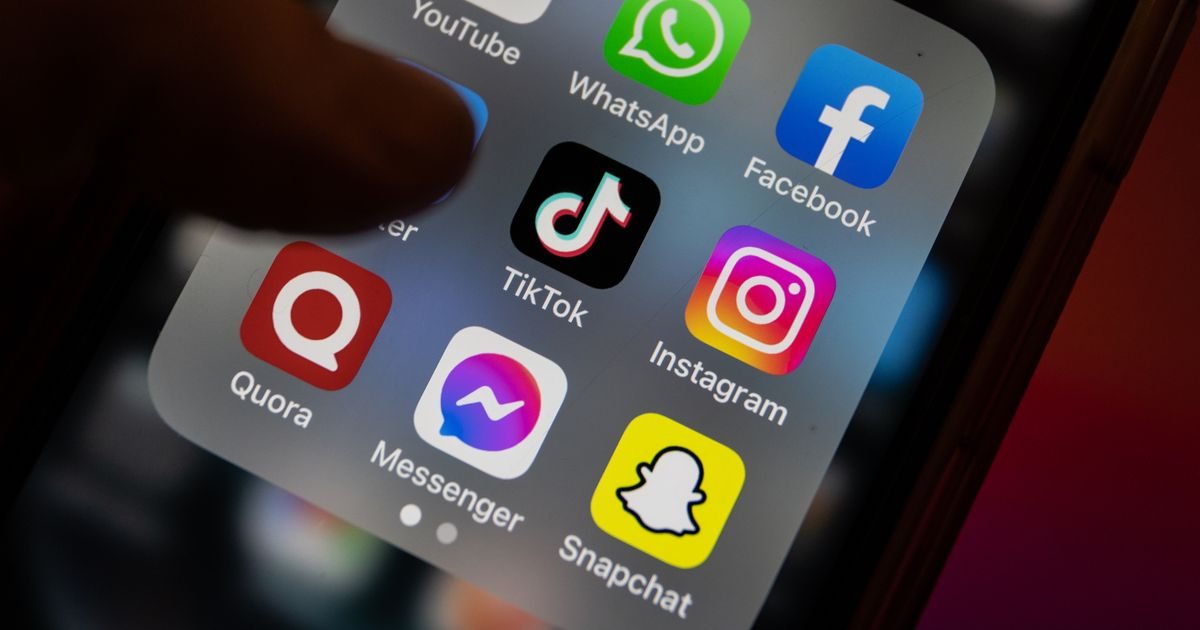

A recent survey revealed that a majority of voters are in favor of implementing an Australia-style prohibition on social media use for children under the age of 16. This move comes after millions of young individuals were restricted from accessing various platforms including Facebook, Instagram, Snapchat, Threads, TikTok, Twitter (now known as X), YouTube, Reddit, Kick, and Twitch in the country. According to a Mirror poll, 64% of respondents support a similar ban for individuals under 16, while only 19% are against the idea.
Joani Reid, a Scottish Labour MP and Chair of the Children’s Online Safety APPG, has cautioned government officials that the current situation is failing children. Reid emphasized the need for action, stating that unregulated social media poses significant risks to children. She highlighted Australia’s proactive approach in prioritizing young people’s interests over tech giants and suggested that the UK should consider following suit. The proposed ban for under-16s aims to safeguard children, establish boundaries, and provide them with space to grow without constant online pressures.
Calls to restrict social media access for teenagers have been growing, with advocates such as Brianna Ghey’s mother advocating for a ban on smartphones with networking apps for under-16s. Concerns have also been raised about the exposure of children to harmful content online, as evidenced by tragic incidents like the case of Molly Russell. Furthermore, Children’s Minister Josh MacAlister previously introduced a Private Member’s Bill that included a ban for under-16s, although the proposal was later diluted to gain government support for other bill components.
Echoing support for restrictions on social media, Labour MP Jess Asato emphasized the negative impacts of social media on children, including increased risks of anxiety, depression, self-harm, exposure to violent content, and physical health issues. While there has been resistance to a complete ban from some quarters, including opposition leader Keir Starmer, the government is closely monitoring the implementation of similar policies in Australia.
In response to mounting pressure, the UK government is urged to consider the effectiveness of Australia’s approach and take a proactive stance on protecting children online. As other countries, including Malaysia and Denmark, explore similar measures, the UK’s regulatory framework for online safety, such as the Online Safety Act, is seen as a crucial tool in leading global efforts to safeguard children from online harms. Daisy Greenwell, co-founder of Smartphone Free Childhood, highlighted the necessity of regulating social media for children to prevent addiction and protect their well-being.
However, the NSPCC expressed reservations about blanket bans, arguing that they could inadvertently push teenagers towards unregulated online spaces. NSPCC Chief Executive Chris Sherwood emphasized the importance of safeguarding young people from online harms while upholding their rights and avoiding punitive measures against them. The government reiterated its commitment to age-appropriate online content regulation under the Online Safety Act, which aims to shield minors from harmful material while enabling them to benefit from the digital world safely.
As the debate intensifies, public opinion is divided on whether a blanket ban on social media for under-16s is the most effective solution to protect children online. Deltapoll conducted interviews with 1,997 British adults to gauge public sentiment on the issue, indicating the significance of this matter in the ongoing discourse surrounding online safety for young individuals.