
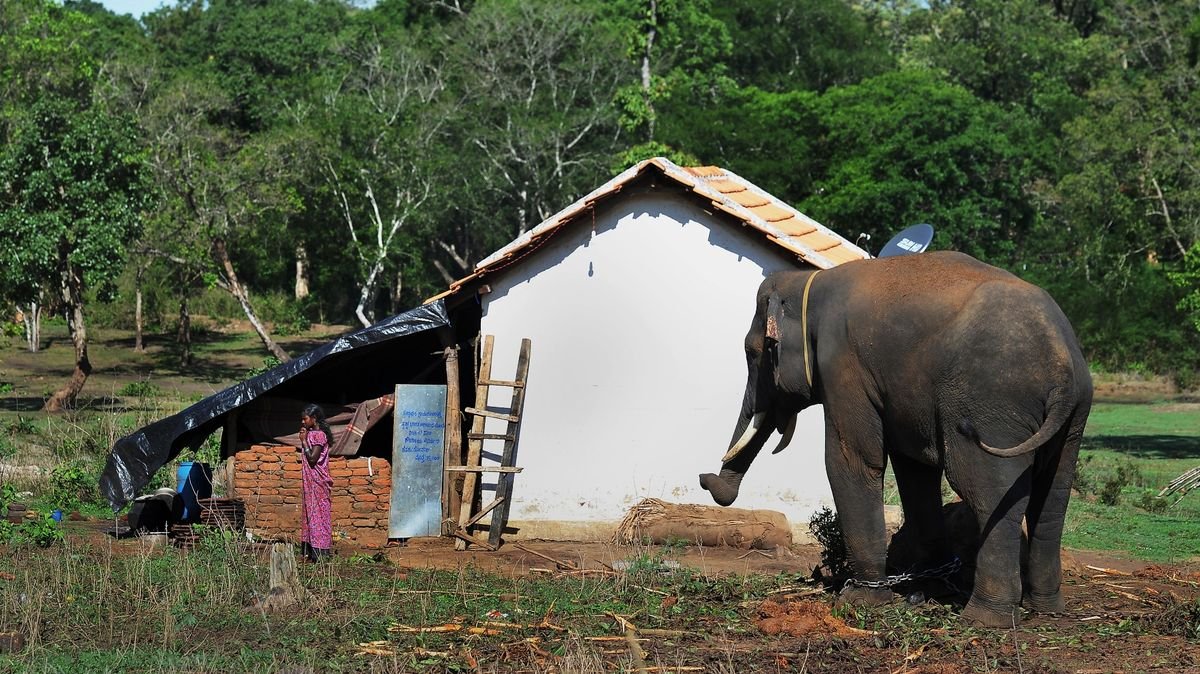

An elephant has been on a killing spree, resulting in the deaths of 17 individuals, with four of them belonging to the same family, in a series of attacks. The incidents occurred in the West Singhbhum district of Jharkhand, India, starting on New Year’s Day. The elephant, believed to be a young male, has taken the lives of nearly 20 people, including a young boy, over the first days of 2026.
Among the victims are a wife, husband, and their two children who were all killed in one attack, as well as a man who was gruesomely decapitated by the elephant. Local media outlets reported that the elephant separated the head of a man named Prakash Das from his body during one of the attacks. The latest fatality was a woman who succumbed to her injuries in a local hospital after being attacked by the elephant.
The violence peaked on January 6 when the elephant killed seven individuals in Babadia and Sialjoda villages, including a mother, father, and their two young children from the same family. The attacks have instilled fear among villagers, who are now hesitant to leave their homes. Efforts to track down the rogue elephant, involving wildlife personnel, government agencies, and independent organizations, have been unsuccessful so far.
Search teams are hopeful that once the elephant is located, they can tranquilize it and relocate it to a safer area. Despite ongoing efforts to locate the animal, including camping in the fields, the elephant continues to evade capture. Most of the attacks have occurred under the cover of darkness as the elephant enters local communities.
Public service announcements have been issued to residents in the West Singhbhum district, advising them on how to respond in case of an elephant encounter. The Ministry of Environment, Forest and Climate Change in India notes a rise in human-elephant conflicts, attributing these incidents to habitat loss and human encroachment into elephant territories.