
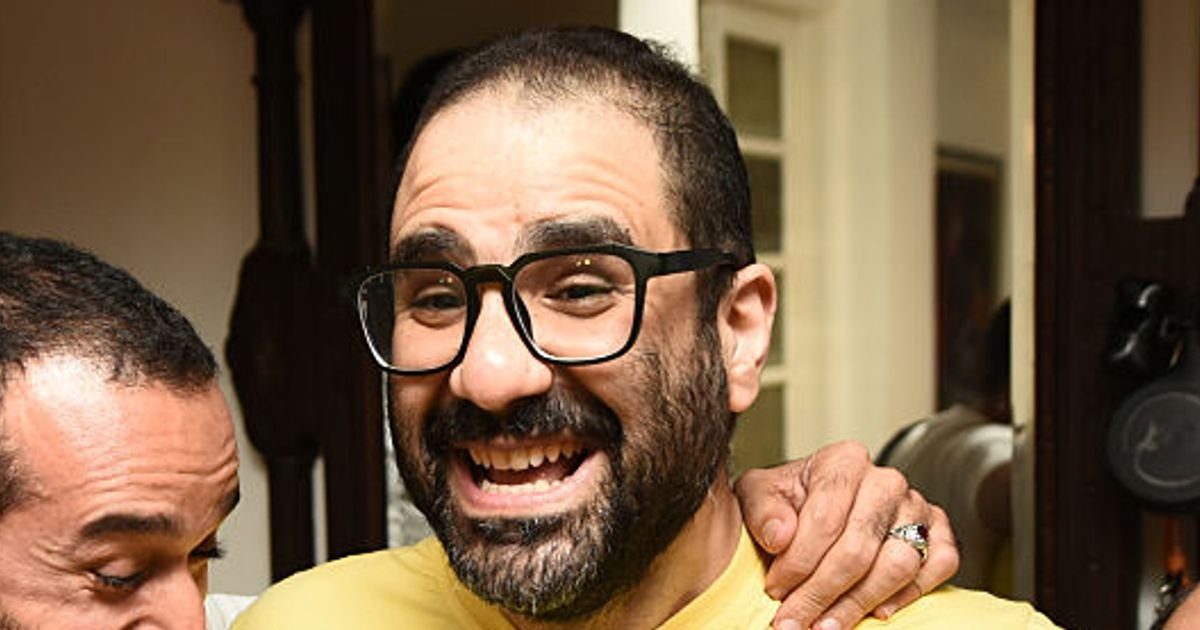

A British individual, recently released from imprisonment in Egypt and now residing in the UK, has issued a formal apology for past social media posts advocating violence against Zionists. Alaa Abd El-Fattah, who was detained for six years on charges related to spreading false information about the Egyptian regime, was greeted in the UK by Keir Starmer amidst controversy surrounding his historical tweets. The British Government has condemned the expressed views as “abhorrent.”
Chris Philp, the Conservative shadow Home Secretary, strongly criticized Mr. El-Fattah, labeling him a “despicable scumbag” and urging for the revocation of his citizenship. The British-Egyptian national, known for his involvement in the Arab Spring protests and hunger strike while in custody, had made statements in 2010 glorifying violence against Zionists, referring to their killing as heroic.
In light of the resurfacing tweets, where Mr. El-Fattah also made derogatory remarks about British individuals, he expressed regret for the hurtful nature of his words and issued an unequivocal apology. He attributed the controversial posts to his youthful frustration during times of regional turmoil and acknowledged the need for better judgment in online interactions.
Despite a prolonged advocacy campaign by both Conservative and Labour governments for his release, Alaa Abd El-Fattah was eventually pardoned by the Egyptian president and allowed to travel to the UK in December. He addressed the accusations of antisemitism seriously, clarifying that some tweets had been misinterpreted or taken out of context.
The controversy surrounding Mr. El-Fattah’s past statements has raised concerns within the Jewish community about potential risks posed by such rhetoric. While the UK government celebrated his return, Jewish organizations emphasized the importance of addressing and understanding the impact of his previous remarks on social cohesion and safety.
Reflecting on his experience, Mr. Abd El-Fattah expressed gratitude for the widespread support he received and emphasized the significance of standing up for human rights despite the complexities of his past statements. He acknowledged the pain felt by some supporters who now question their backing but reaffirmed his appreciation for their initial solidarity in advocating for his release.