

Keir Starmer Finds Opportunity in Trump’s Greenland Agenda
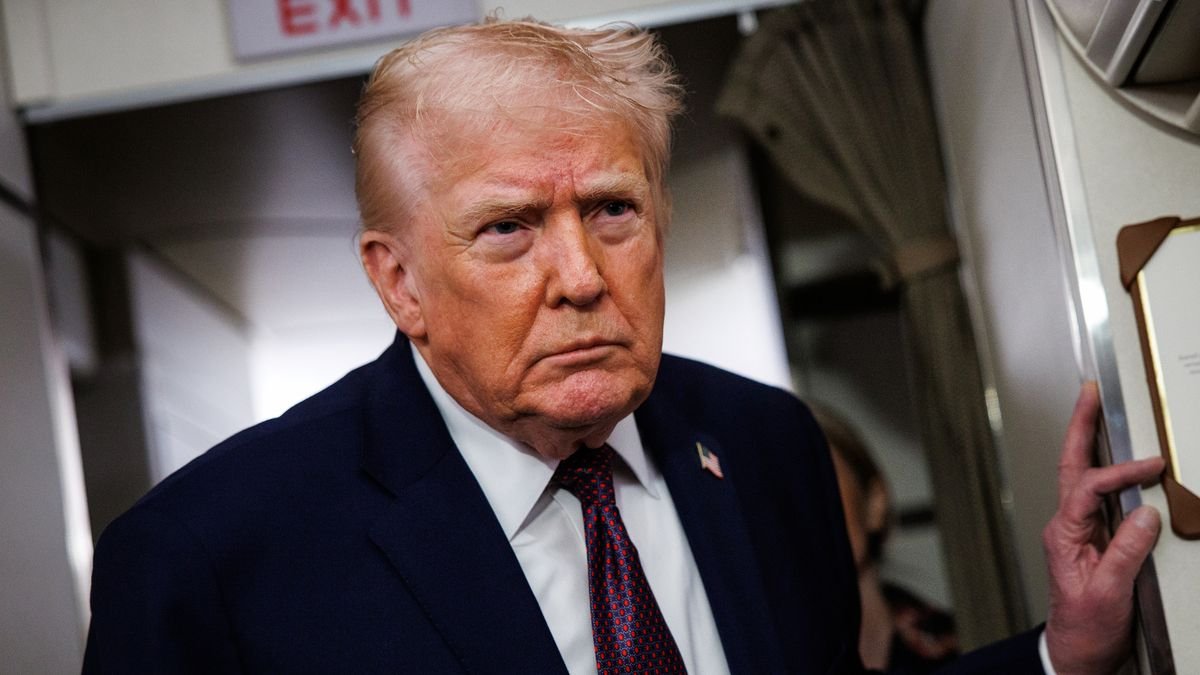
The recent developments regarding Donald Trump’s interest in Greenland are seen as a positive turn for Keir Starmer. It is now evident that the UK Prime Minister no longer needs to engage with Trump as a potential business partner. Trump’s tactics, characterized by blackmail and threats of violence, are akin to those of a notorious crime boss, rather than a legitimate leader for negotiation.
Starmer’s criticism of Trump’s aggressive economic stances, particularly in relation to Greenland, marks a significant shift in UK foreign policy. The imposition of trade tariffs by the White House on the UK and its European allies has been viewed as a hostile act. In response, Starmer’s call for unified action with the European Union to counteract these tariffs demonstrates a stance of strength against Trump’s bullying tactics.
Trump’s interest in Greenland is primarily driven by financial motives, particularly in exploiting the region’s natural resources. The involvement of influential figures like Ronald Lauder, who sees profit potential in rare earth metals beneath Greenland’s ice, underscores the financial interests at play.
The alignment of certain UK politicians with Trump, such as Tony Blair’s association with Jared Kushner, has raised concerns about maintaining ethical standards in international relations. The actions of these figures, in light of ongoing geopolitical tensions, have drawn criticism for compromising principles in favor of personal gain.
The issue of economic inequality in the UK, highlighted by the concentration of wealth among a few individuals, has sparked calls for fairer taxation policies. Redistributing wealth from the ultra-rich could potentially address social disparities and fund essential public services, offering a pathway to a more equitable society.
Recent reports by Oxfam have underscored the global scale of wealth inequality, emphasizing the urgency for radical reforms to address poverty and economic disparities. The growing number of billionaires contrasted with widespread poverty levels serves as a stark reminder of the need for collective action to combat systemic injustices.
In conclusion, the evolving dynamics in international relations, coupled with domestic economic challenges, highlight the importance of ethical leadership and equitable policies to address pressing societal issues.