
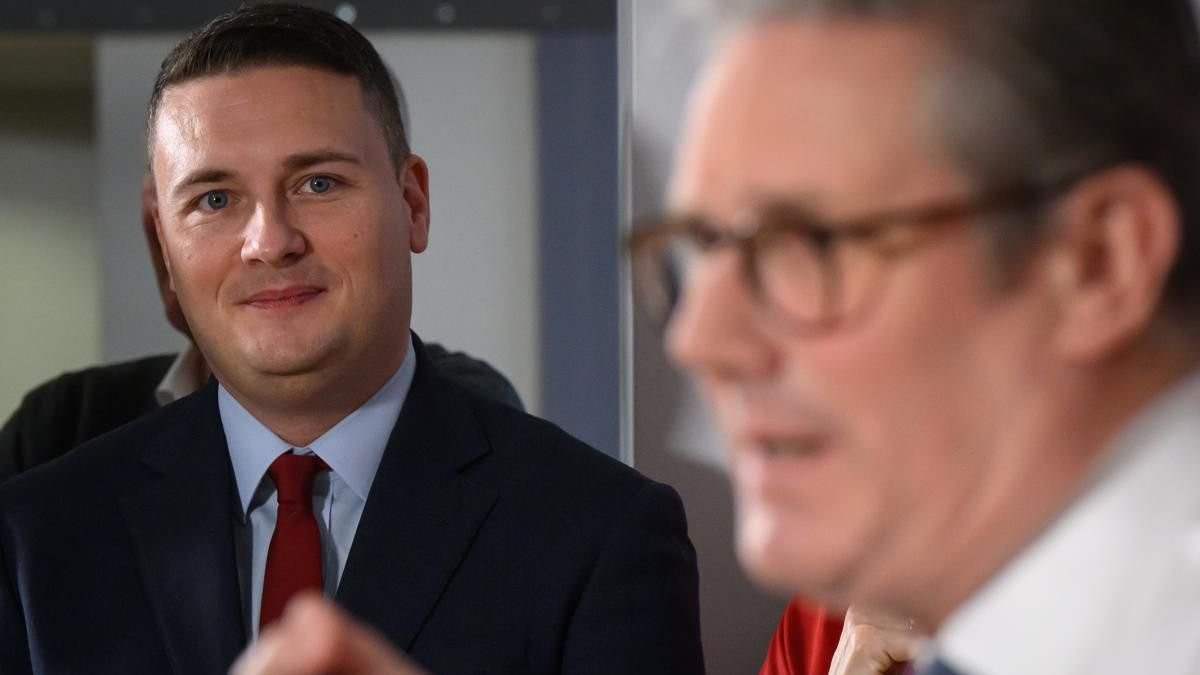

It has been a challenging week for the Government, marked by internal conflicts that have drawn significant attention. A controversy surrounding Keir Starmer’s leadership turned sour, leading to widespread speculation about the Prime Minister’s stability.
The spotlight once again fell on Downing Street’s operations and Chief of Staff Morgan McSweeney. Additionally, a leak regarding Rachel Reeves’s Budget proposals caused fluctuations in borrowing costs and the pound’s value before revised forecasts were disclosed.
The ensuing discord, particularly aimed at Health Secretary Wes Streeting, sparked dismay among Labour MPs already concerned about their declining popularity in polls. Harriet Harman and others criticized the internal strife, noting its counterproductive impact on the party’s image.
While Streeting’s response to media scrutiny was well-received, the infighting within the Labour Party was seen as a distraction from the critical battle against Nigel Farage’s Reform. Despite Starmer’s recent strong stance against Reform, some MPs expressed frustration at the lack of a cohesive vision within the party.
Amid efforts to quell the tensions, Starmer publicly denounced the briefings against Streeting as unacceptable. Despite No10’s denial of involvement in the leaks, suspicions lingered among MPs, further fueling the internal turmoil.
The focus later shifted to the Treasury as reports emerged of the Chancellor abandoning proposed income tax increases in the upcoming Budget. Market uncertainties followed, although Treasury insiders reassured that the economic forecasts were more positive than anticipated.
The decision to uphold manifesto commitments regarding taxation was welcomed by some MPs, who highlighted alternative revenue-raising strategies. However, the episode added a fresh layer of uncertainty ahead of the crucial Budget presentation, raising stakes for the Chancellor and the Government as a whole.