

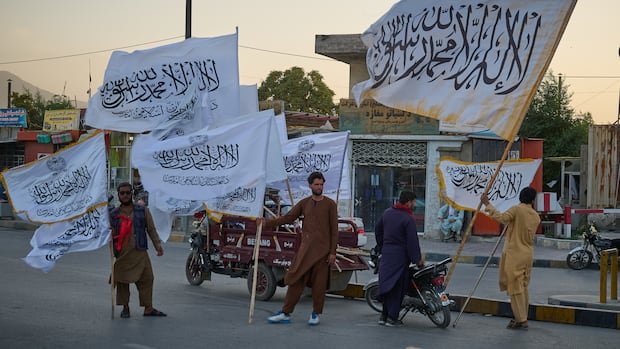

Abdul Razaq Khan, a former translator and guide for Canadian journalists during the Afghan conflict, was awoken five years ago by a late-night message from one of the reporters he had assisted in Kandahar. Having relocated to Kabul after Canada’s exit from Afghanistan to work at the American aid organization USAID, Khan was startled by the news that the Taliban were advancing on Kabul in the summer of 2021.
Concerned about Khan’s safety, the journalist reached out, prompting Khan to express his deep distress at the unfolding situation. Now residing securely in Canada, Khan reflects on the abrupt loss of his job, home, and country, grappling with the events that led to the rapid downfall of the western-backed government.
For Khan, leaving Afghanistan was a harrowing escape as he fled on foot, narrowly evading Taliban gunfire at the border, coinciding with the capital’s capture by the militant group. His association with Canadian media outlets like The Canadian Press, CTV News, and Postmedia had made him a target, a reality shared by many Afghans who collaborated with foreign journalists, military forces, and aid agencies.
The Taliban’s resurgence not only displaced scores of Afghans but also ushered in a return to a repressive regime characterized by the marginalization of women, curbs on media freedom, and enforcement of strict moral laws. Organizations like The Zan Times have documented a surge in violence against Afghan women, with perpetrators often evading accountability under Taliban rule.
Efforts to protect women’s rights in Afghanistan post-2021 have been challenging, with Western nations resorting to diplomatic censure and targeted sanctions in the absence of direct intervention. While some countries have initiated humanitarian visa programs to relocate high-risk Afghan women, comprehensive resettlement efforts have fallen short, as highlighted in reports by Local Staff International and AfghanEvac.
Canada, for instance, welcomed over 60,000 vulnerable Afghans post-Taliban takeover, exceeding its initial commitment of 40,000 individuals. However, with thousands still at risk under Taliban rule, calls have been made to expand resettlement initiatives to fulfill the obligation to those who supported NATO and allied forces during the conflict. US Senator Chris Coons emphasized the need for countries to honor their commitments to those who risked their lives for international troops, underscoring the ongoing challenges in addressing this critical chapter of recent history.