

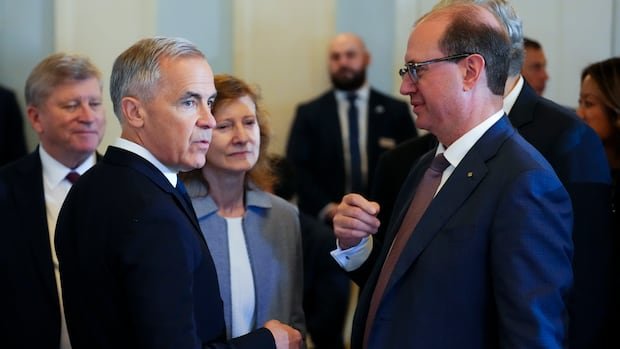

Canada’s ambassador to the United States emphasized in a virtual meeting on Thursday that the reintroduction of American alcohol in Canadian markets is crucial for finalizing a trade agreement with the U.S. and averting potential new tariffs. Mark Wiseman conveyed this message while briefing around 100 members of the Canada-U.S. trade council.
Currently, Canadian negotiators are engaged in high-stakes discussions in Washington with the Trump administration to prevent the imposition of 50% tariffs on Canadian exports by the looming Friday deadline. Wiseman shared insights on a preliminary consensus to avoid these tariffs during the half-hour briefing session, according to three sources familiar with the call.
Wiseman disclosed that approximately 35 Canadian officials are actively involved in drafting a potential deal at Canada’s Embassy in Washington, aiming to complete the agreement within 24 to 48 hours. The proposed deal includes reductions in steel, aluminum, and auto tariffs, as well as modifications to the allocation of dairy import licenses by the Canadian government, potentially leading to increased American dairy products on Canadian shelves.
Following Wiseman’s departure from the call, Steve Verheul, Canada’s former chief trade negotiator, cautioned the council about potential pitfalls associated with the deal. Verheul highlighted concerns that conceding to sectoral tariffs and certain concessions could jeopardize Canada’s long-term leverage, especially with the upcoming CUSMA review.
Under the anticipated agreement, the U.S. is expected to lower steel and aluminum tariffs to 25% from 50%, while reducing tariffs on Canadian-made cars and trucks to 15% with an exemption for American content. However, Canadian auto industry representatives were disappointed to learn that the exemption for Canadian-made content from American tariffs would not be granted, deferring the matter to future CUSMA negotiations.
Verheul emphasized to the council that Canada could be relinquishing its current bargaining power by making significant concessions while the U.S. industry retains influence on the Trump administration. He underscored the importance of maintaining a stance against sectoral tariffs and striving for duty-free trade during the upcoming CUSMA review.
The lack of adequate consultation with affected industries and limited briefing of premiers with substantial data raised concerns among industry sources, who expressed frustration during the council’s call. Additionally, Chrystia Freeland, former finance minister and deputy prime minister, raised doubts about the permanence of tariffs once agreed upon and the challenges of their removal in the future political landscape.
Overall, the discussions underscored the complexity and uncertainties surrounding the ongoing trade negotiations between Canada and the U.S., with key stakeholders expressing varying perspectives on the potential deal and its implications for both countries.