

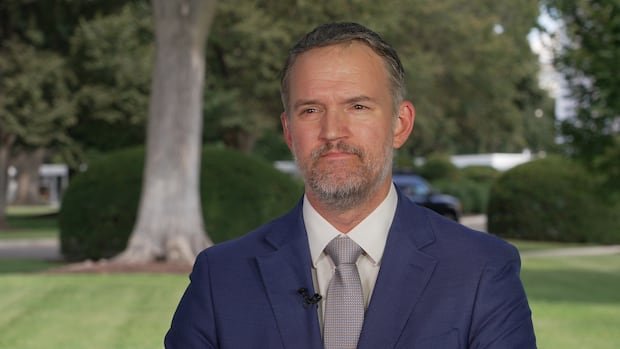

The top trade negotiator for the Trump administration challenged Ottawa’s claim that last-minute U.S. demands caused the breakdown of a trade deal with Canada. U.S. Trade Representative Jamieson Greer stated that it was actually Ottawa’s concerns about the deal’s “implementation” that led to the deal falling through.
During an interview with CBC News, Greer mentioned that the Canadian side raised new requests upon Trade Minister Dominic LeBlanc’s return from Ottawa after the initial deal was reached on August 18. Greer emphasized that the U.S. had offered what he considered to be the best deal globally for Canada, but the additional requests from the Canadian side were deemed excessive by the U.S.
The ambassador indicated uncertainty about when negotiations between the two countries might resume, confirming that there had been no communication between him and LeBlanc as of Wednesday. Greer mentioned that the current situation lacked open channels and that the Canadian side was discussing its next steps.
Regarding the breakdown of negotiations, there is a discrepancy between the two countries as to who is at fault. Prime Minister Mark Carney initially suggested that last-minute changes led to the collapse of the agreement, with the U.S. allegedly making unfair adjustments. The White House, on the other hand, claimed that Canada rejected a deal involving tariff cuts on various products.
Greer did not rule out potential retaliatory actions from the U.S. in response to Canada’s planned counter-tariffs. He emphasized the importance of not escalating tensions further but acknowledged the sentiments in Canada regarding the situation.
The trade negotiator also addressed specific details of the proposed deal, including reductions in tariffs on steel and Canadian-made vehicles. However, he clarified that the White House did not seek influence over Canada’s future trade agreements with other countries but aimed for cooperation.
The recent rhetoric and actions from both countries have shifted from a cooperative tone to a more confrontational stance. Despite the breakdown in negotiations, Carney expressed willingness to return to the table if the U.S. adopts a more constructive approach. In the meantime, Canada intends to focus on strengthening global trade relationships and diversifying its economic partnerships.
Carney underscored the government’s commitment to not compromising on key issues and expressed readiness to endure the consequences of a prolonged trade dispute rather than accepting unfavorable terms.