

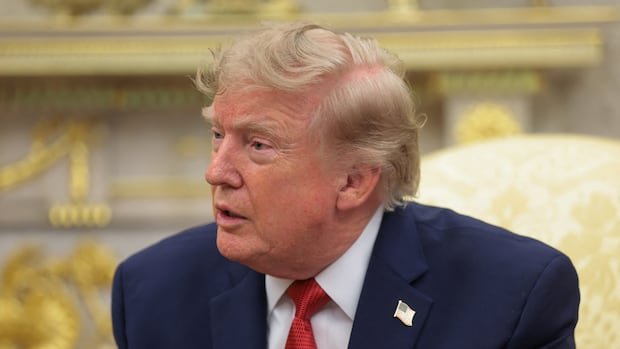

U.S. President Donald Trump made a sudden announcement on Tuesday evening, revealing a three-day halt to the imposition of 50% tariffs on various Canadian goods. This decision was disclosed less than two hours before the hefty tariffs were originally scheduled to be enforced. Initially, Trump stated online that the tariffs were postponed due to a potential deal between Canada and the U.S., pending final documentation.
A subsequent statement from the White House justified the suspension as being in the public interest, citing Canada’s commitment to address trade issues that led to the tariff threats. Meanwhile, Canadian Prime Minister Mark Carney’s response did not confirm any specific deal but described the administration’s move as a temporary delay to allow for further trade discussions. Carney emphasized the progress made so far and the ongoing effort to strengthen Canada’s economy.
The looming tariffs, affecting a wide range of products valued at over $28 billion, were meant to go into effect early Wednesday morning but were postponed, providing relief to businesses on both sides of the border. While the delay offers breathing room for negotiators racing against the deadline, there is uncertainty regarding the long-term exemption from tariffs.
The negotiations between Canada and the U.S. have focused on contentious issues, including potential tariffs on Canadian automobiles entering the U.S. market. Despite the temporary reprieve, uncertainties remain about the future of trade relations between the two countries.
The discussions have involved intense efforts from both sides, with Canada seeking concessions from the U.S. on various trade matters. The potential deal includes market access for American goods, economic security commitments, and digital trade alignment, among other provisions. However, specific details of the agreement have not been disclosed.
The negotiations have also touched on sensitive topics such as the revival of the Keystone XL pipeline project and the removal of retaliatory tariffs on U.S. autos by Canada. The complexity of the discussions underscores the challenges in reaching a comprehensive trade agreement beneficial to both nations.
As the deadline approaches, businesses are bracing for potential tariffs, highlighting the economic stakes involved. The evolving trade talks and the intricacies of the negotiations underscore the importance of finding mutually acceptable solutions to trade disputes between Canada and the U.S.