

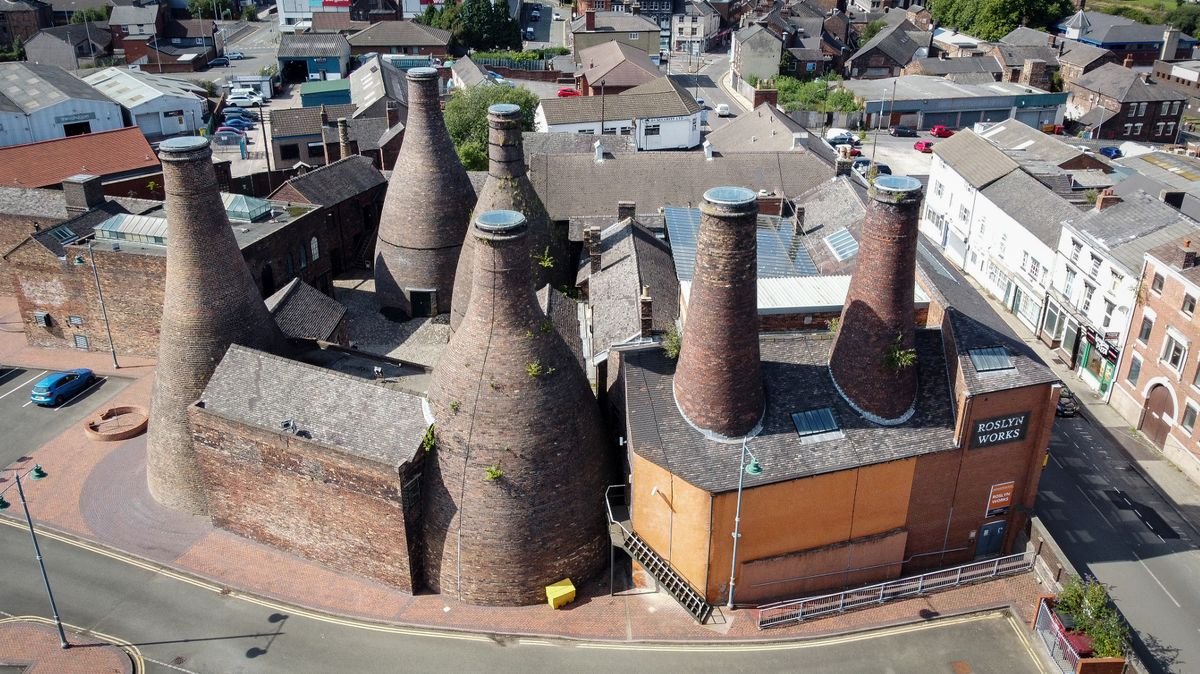

In July of the previous year, I had the opportunity to meet with GMB members employed in the ceramics industry in Stoke-On-Trent, UK. Accompanied by Sharon Yates, a dedicated activist, we visited the renowned cup manufacturer Dunoon located in Walton, just outside the city.
Sharon, a multi-generational pottery worker with a deep-rooted history in the industry, is among the 20,000 individuals contributing to Britain’s pottery sector, locally known as ‘the Pots’. Working alongside her daughter and granddaughter, Sharon represents the hardworking families in the Midlands and beyond, striving to make ends meet and sustain their livelihoods.
The ceramics industry in Britain plays a significant role in the economy, contributing an estimated £2 billion and supporting 22,000 jobs nationwide. Recognized globally, British ceramic companies and their skilled workforce have set a benchmark for excellence. Stoke-On-Trent, known as the birthplace of modern industrial ceramics, holds a prestigious position in the international ceramic industry landscape.
Despite its global reputation, the British ceramics sector faces challenges in maintaining competitiveness. Major companies like Wedgewood and Denby have recently announced job losses and plant closures, attributing these setbacks to the high cost of production exacerbated by the country’s energy policies.
This issue highlights a uniquely British dilemma, where an industry of immense value and potential is at risk of decline due to policy constraints. While the current government has shown decisive action in saving jobs in other sectors like steel, there is a perceived lack of urgency in addressing the needs of the pottery industry.
As we stand at a critical juncture, the government has the opportunity to support the industry through initiatives like the Industry Supercharger scheme, which aims to alleviate rising energy costs for energy-intensive sectors such as ceramics. However, the reluctance to extend this support to ceramics raises concerns about the industry’s future viability and the government’s commitment to preserving vital manufacturing sectors.
The repercussions of inaction could have far-reaching consequences, impacting the lives of tens of thousands of working-class individuals and shaping the country’s economic landscape for years to come. By prioritizing strategic interventions and support for the ceramics industry, the government has the chance to avert a looming crisis and secure the livelihoods of countless workers dependent on this traditional trade.