

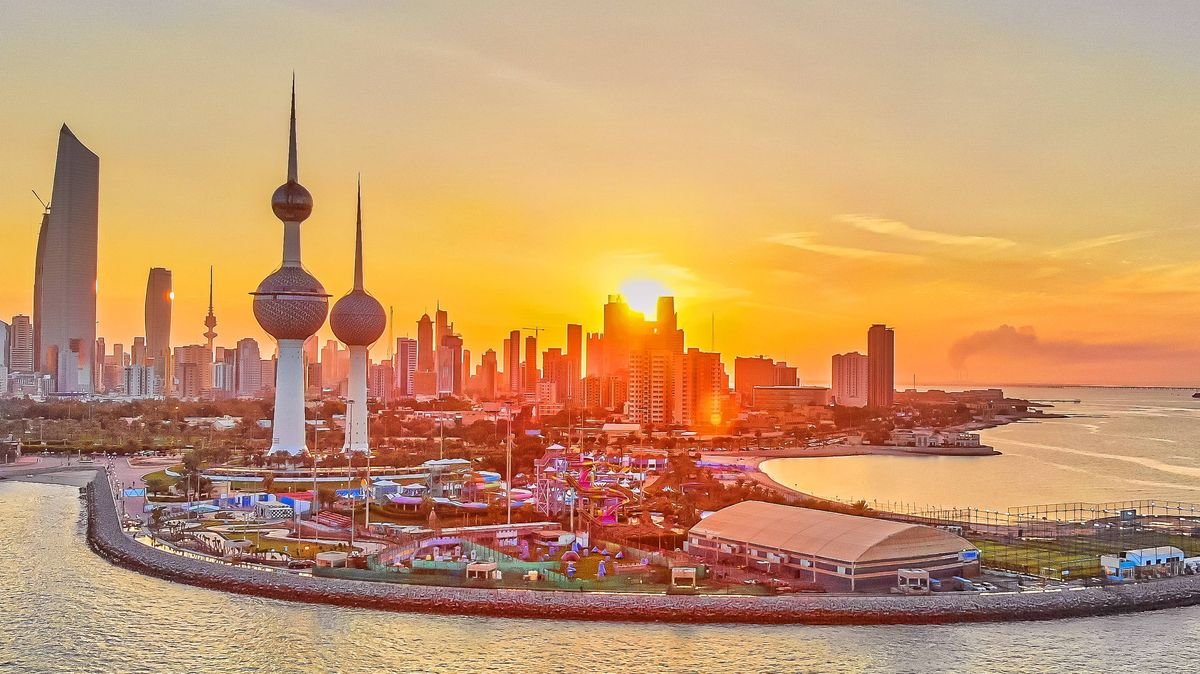

Kuwait City, known as the world’s hottest city, is experiencing alarming occurrences reminiscent of ancient biblical tales, such as birds falling from the sky and fish boiling in the sea.
The once vibrant Middle Eastern city, previously celebrated as the “Marseilles of the Gulf” for its thriving fishing industry and lively coastline, is now facing scorching temperatures that surpass even the most intense heatwaves in Europe.
In its prime, Kuwait City was a popular destination for sun-seekers, akin to Victorian seaside resorts in Britain. While British coastal towns now contend with the rise of entertainment arcades, Kuwait City grapples with an entirely different challenge – extreme heat.
On July 21, 2016, the Mitribah weather station in northern Kuwait recorded a remarkable temperature of 54C (129F) – ranking as the third-highest temperature ever documented globally. The 2023 heatwave in Europe would pale in comparison, as Kuwait’s mercury soared a staggering 10C higher.
Projections indicate that temperatures in Kuwait will increase by 5.5C (10F) by the end of the century. This alarming trend underscores the escalating climate crisis, with Kuwait enduring over 19 days with temperatures exceeding 50C in 2021, a figure expected to be surpassed this year.
The city, characterized by relentless concrete and asphalt, is gradually becoming inhospitable. Venturing outdoors during the summer poses significant risks throughout much of the day.
Scientific evidence suggests that the already arid nation is undergoing a decline in annual rainfall, leading to more frequent and severe dust storms.
Reports reveal distressing incidents of birds dropping dead from the sky and seahorses being cooked alive in the bay. Even the most resilient pigeons are seeking shelter from the scorching sun.
Temperatures reaching 50C are not only uncomfortable but also hazardous, exceeding body temperature by 13C (55F) and posing serious health risks like heat exhaustion, cardiovascular issues, and potential fatalities with prolonged exposure.
In an unprecedented move, the Kuwaiti government has permitted nighttime funerals due to the extreme heat this year. Presently, those who can afford it opt to remain indoors, seeking refuge in the cool comfort of air-conditioned residences, offices, or shopping malls.
The current conditions have spurred the development of innovative infrastructure, such as an indoor shopping street adorned with palm trees and European-style stores, offering customers respite from the harsh climate. A study in 2020 revealed that a significant 67% of household electricity consumption is attributed to continuously running air conditioning units.
Writing for ExpatsExchange, Joshua Wood highlighted Kuwait’s “high quality of life,” describing it as “modern, luxurious, and safe,” while cautioning about the searing heat, particularly from May to September, emphasizing the extreme temperatures from June to August.
Despite the blistering heat, Kuwait’s streets remain bustling with activity. The nation’s population is predominantly composed of migrant workers, constituting around 70% of residents, mainly arriving from Arab nations and various regions in South and Southeast Asia.
Drawn by the controversial kafala system, these workers pursue employment opportunities primarily in construction and domestic services, crowding the buses and sidewalks of the capital.
Recent research from the Institute of Physics highlights the heightened health risks migrant workers face due to extreme heat. Studies suggest that without climate action, heat-related fatalities could surge by 5.1% to 11.7% among Kuwait’s population by the end of the century, potentially rising to 15% among non-Kuwaiti residents.
Environmental warnings are often disregarded, but in Kuwait’s case, the effects of global warming are glaringly evident – the country has a substantial carbon footprint, surpassed only by Bahrain and Qatar. Kuwait lags behind regional counterparts in climate initiatives, aiming for a modest 7.4% reduction in emissions by 2035 at COP26.
However, energy consumption is estimated to triple by 2030, driven largely by the escalating use of air conditioning units. With the state subsidizing most electricity and water costs, residents lack incentives to conserve. This generous subsidy program also covers water produced through energy-intensive desalination plants.
Environmental specialist Salman Zafar paints a grim picture of Kuwait’s future, warning of