

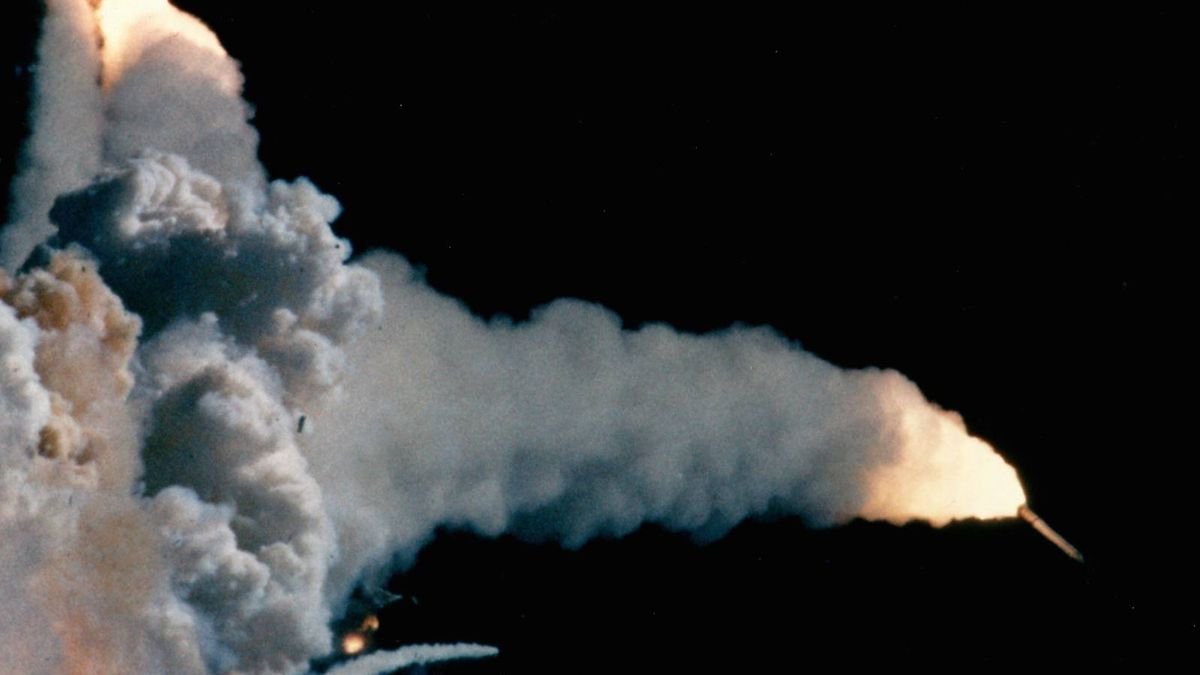

On January 28, 1986, a global audience witnessed the Space Shuttle Challenger’s tragic fate as it embarked on its mission. Initially, the launch seemed routine, with Commander Francis Scobee giving affirmations to mission control. However, within seconds, the situation turned dire as Pilot Michael Smith uttered a brief “uh oh,” signaling a critical issue. Shortly after, the shuttle disintegrated in midair, claiming the lives of all seven astronauts on board.
Observers saw a massive explosion as the spacecraft broke apart, leading many to believe the crew perished instantly. Subsequent revelations shed light on the true sequence of events. Rather than exploding conventionally, a booster malfunction caused scorching gases to escape, ultimately causing the shuttle’s destruction.
Remarkably, the crew compartment remained intact for a short period after the breakup, continuing to ascend before plummeting into the Atlantic Ocean. Investigators found that some astronauts had activated their personal air packs manually, hinting at a chilling realization that they might have been conscious during the freefall.
While NASA suggested that a sudden loss of cabin pressure could have led to rapid unconsciousness, conflicting evidence left the final moments ambiguous. Nonetheless, the impact with the ocean was fatal, bringing a tragic end to the crew’s ordeal.
The astronauts’ remains were retrieved from the ocean floor, yet the specifics of their final experiences remain undisclosed.