

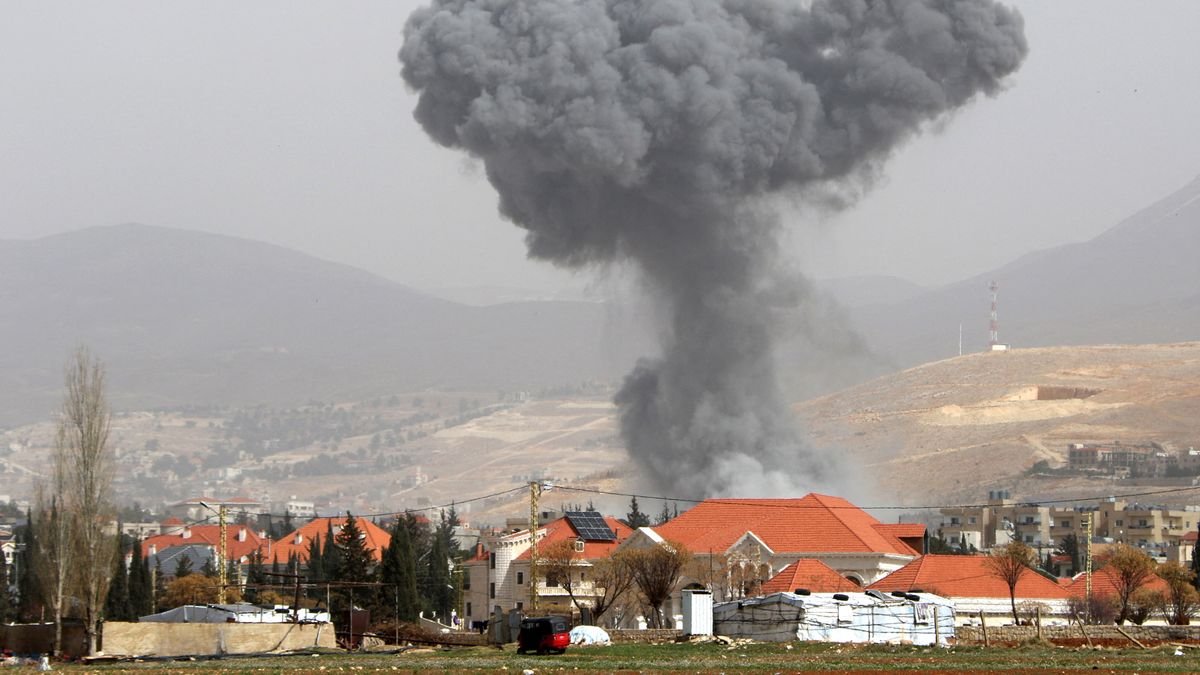

Tensions in Iran are escalating, raising concerns about the potential for prolonged conflict and increased bloodshed. Motjaba Khamenei, the new leader of Iran, recently emphasized the need for revenge for Iran’s fallen soldiers, hinting at possible retaliatory actions against neighboring countries. There are discussions about seeking compensation for recent strikes by targeting assets of wealthy Gulf States. Additionally, Iran is considering expanding its attacks through proxies like Hezbollah. The situation has become more complicated with reports of Motjaba Khamenei being injured, potentially impacting the dynamics of the conflict.
The ongoing conflict, known as Operation Epic Fury and Operation Rising Lion, has not progressed as anticipated by the involved parties. Analysts suggest three potential outcomes for the conflict. One scenario involves controlled degradation leading to a negotiated settlement, where the US aims to neutralize Iran’s missile and nuclear capabilities within a few weeks. Another possibility is a protracted attritional conflict, with Iran using drones, proxies, and economic disruptions to resist US military superiority. The most alarming scenario is an escalation to regime change operations, which could lead to ground operations and significant humanitarian consequences in the region.
The evolving situation in Iran poses challenges for all parties involved, with the potential for prolonged conflict and complex geopolitical ramifications.