

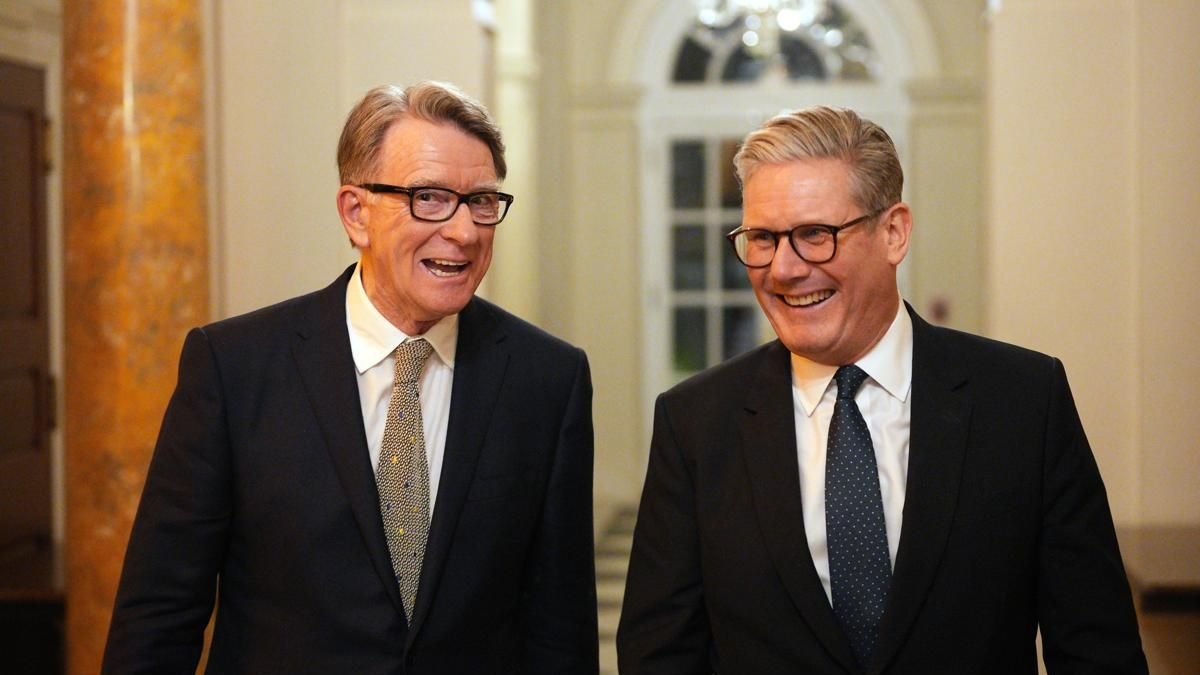

The ongoing conflict in the Middle East has not diverted attention from the controversy surrounding Jeffrey Epstein and his network of influence. Recently, Keir Starmer faced scrutiny once more regarding his choice to name Peter Mandelson as the US ambassador, despite Mandelson’s connections to Epstein.
This decision has raised concerns about the Prime Minister’s judgment, especially after a series of Mandelson files were released containing demands for a £500,000 payout from taxpayers. While these documents did not reveal sensational details, they highlighted Lord Mandelson’s association with Epstein post-conviction.
A 147-page report outlined how Starmer was cautioned about Mandelson’s ties to Epstein, with references to their continued friendship despite the criminal charges. Downing Street is frustrated by Scotland Yard’s reluctance to disclose crucial exchanges between Morgan McSweeney and Mandelson, hinting at potential falsehoods by the latter.
This disclosure is just a glimpse of the extensive collection of documents, messages, and emails related to Mandelson’s appointment that the government is obliged to make public. Future revelations may involve Mandelson’s interactions with high-ranking officials, sparking concerns about potential diplomatic fallout.
The key questions revolve around Starmer’s knowledge and decision-making process. While he may not have been fully aware of the extent of Mandelson’s connections, he was briefed on the associated risks. Starmer’s judgment in appointing Mandelson, despite the warnings, will be scrutinized along with the role of his former chief of staff, McSweeney.
As the saga unfolds, the ultimate responsibility lies with the Prime Minister, and the forthcoming revelations will determine whether the released files absolve him or not. The focus remains on the choices made by Starmer and the consequences of overlooking the red flags raised about Mandelson’s past.