

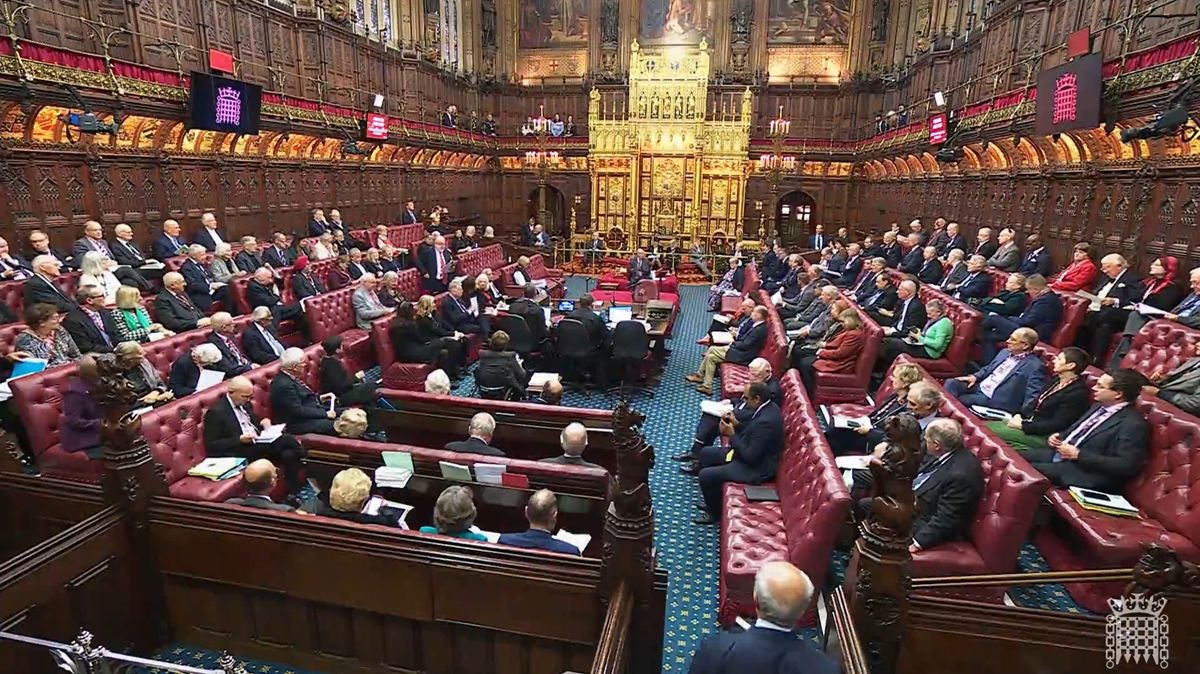

The House of Lords is under fire for attempting to transform the assisted dying bill into a law that only benefits the wealthy by prohibiting legal aid. Currently, members of the House of Lords are engaged in discussions on a record-breaking 1,100 amendments to the contentious bill. Some supporters view this as a delaying strategy and insist that unelected peers should respect the decision made by the House of Commons, which approved the bill last year.
However, there are opposing views denying any deliberate delay tactics and arguing that the bill, in its current state, is deemed ‘unsafe’ and requires substantial modifications before it can be enacted. Baroness Therese Coffey, a former Conservative MP, now a member of the House of Lords, proposed an amendment to restrict the use of legal aid by individuals seeking an assisted death through court proceedings. She emphasized that taxpayer funds should not be utilized for such purposes and suggested that alternative financial support from charities could be sought if necessary.
In response to Baroness Coffey’s amendment, critics, including Louise Shackleton, who experienced the assisted death process with her husband, expressed outrage, stating that the amendment would exclude certain individuals from accessing assisted death. They highlighted the financial burden it would impose on those seeking relief from suffering at the end of life, particularly affecting lower and middle-class individuals.
During the recent debate, a prominent barrister advocated for courts to have the authority to decide on granting an assisted death. The bill originally included a provision for a High Court judge to oversee the process, but this was replaced with a three-member panel comprising social workers, psychiatrists, and legal professionals.
To pass into law, the bill must receive approval from both the House of Commons and the House of Lords before the current parliamentary session ends in May. If enacted, the bill would permit individuals with terminal illnesses in England and Wales, with a life expectancy of less than six months, to apply for an assisted death. Supporters of the bill change have accused certain opponents in the Lords of obstructing progress through filibustering tactics, while opponents argue that their scrutiny is essential to ensure the bill’s safety and effectiveness.