

In 2006, a distressing phone call from Craig Prescott highlighted the injustice faced by his father, Roy, who had been involved in nuclear weapons testing without receiving proper compensation from the Ministry of Defence. Roy’s passing at the age of 66 left his family seeking answers and justice. Despite initial denials of liability, Craig’s relentless efforts led to a breakthrough, securing a pension for his mother after speaking on Roy’s behalf at an appeal hearing.
The case shed light on a longstanding issue where British troops involved in American nuclear tests were not adequately compensated, unlike their American counterparts. The Mirror’s advocacy for these veterans dated back to 1984, spearheaded by investigative reporters like Paul Foot and Richard Stott, amplifying the veterans’ plight and garnering public support.
Thousands of servicemen, including Roy, were part of the nuclear trials, facing health challenges such as rare cancers and birth defects in their offspring. Legal battles ensued, with the veterans fighting for acknowledgment and compensation for their sacrifices. Despite governmental resistance, persistent efforts led to significant revelations and eventual recognition of the veterans’ service through the introduction of a commemorative medal.
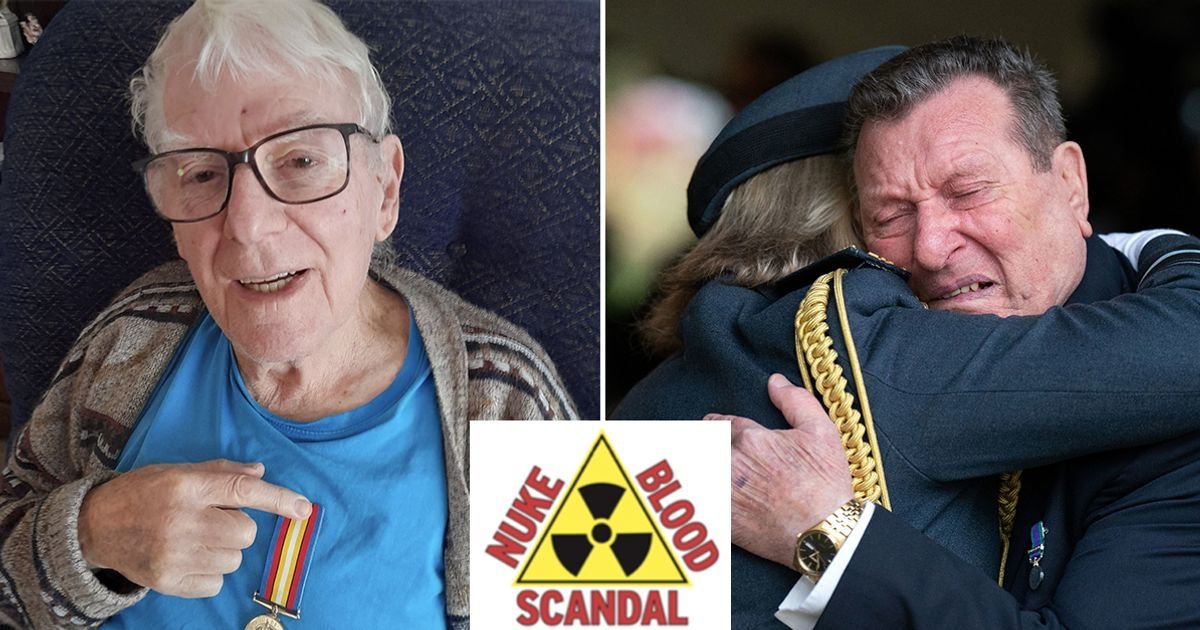
The medal, though symbolic, brought a sense of validation and honor to the veterans, acknowledging their contributions. However, the manner of delivery and the lack of personalization disappointed many recipients, reflecting a lack of respect for their service. The medal campaign reignited the veteran community’s activism, unearthing further evidence of mistreatment and human experimentation during the nuclear tests.
The ongoing Nuked Blood Scandal has sparked a broader inquiry, police investigation, and the disclosure of substantial evidence, marking a pivotal moment in exposing historical injustices. The fight for justice continues, propelled by the determination of those affected, despite the challenges faced.